Educate
Free STEM activities, lessons, and resources for all learners.
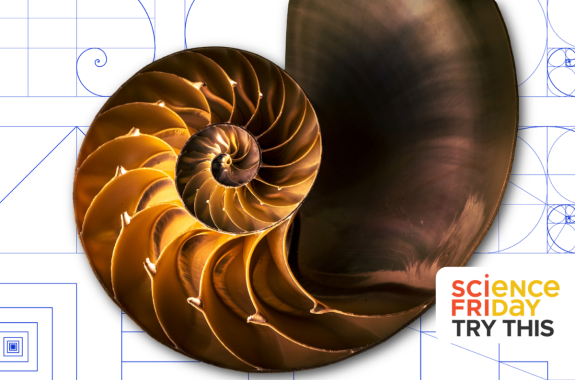
Myth or math? Is the nautilus shell’s golden ratio real?
Grab a ruler, crunch the length-to-height ratios, and use the Fibonacci sequence to test whether this famous spiral is truly golden.
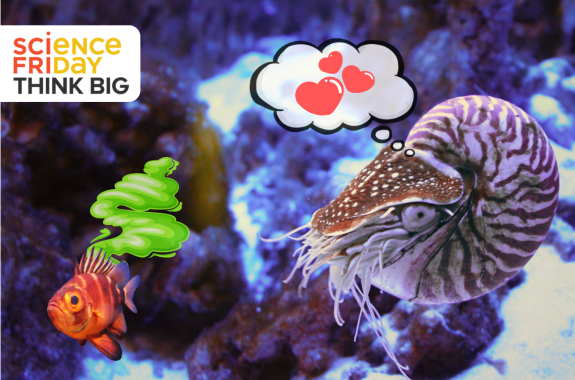
Can a living fossil learn new tricks? Meet the nautilus!
With poor eyesight, the chambered nautilus hunts by smell. Explore how a blue-light experiment revealed mysteries of the cephalopod’s memory.
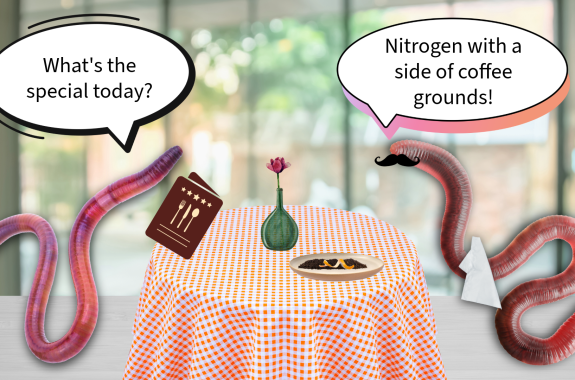
From scraps to soil: the dirt on the (not so lowly) worm
Turn your leftovers into new soil by building a worm farm to learn about composting, vermicomposting, and how decomposition works.
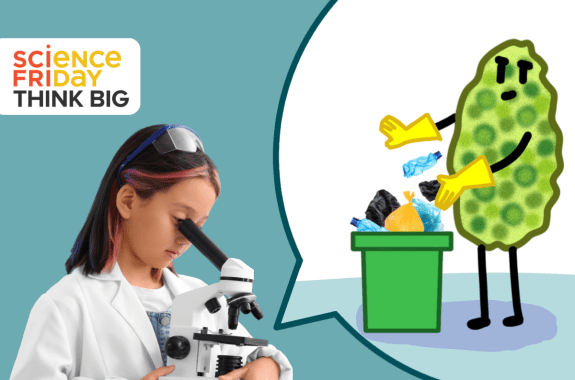
Can microplastic-loving algae clean up water pollution?
An unexpected discovery laid the path for using genetically engineered algae to remove microplastics from water.
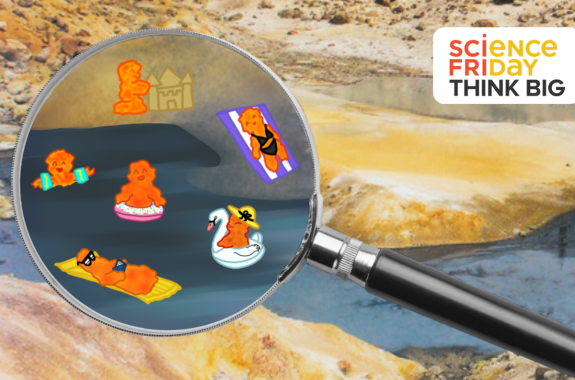
How does a shape-shifting microbe survive extreme heat?
Discover the fire amoeba, an extremophile that’s breaking records and expanding what scientists know about the limits of life.
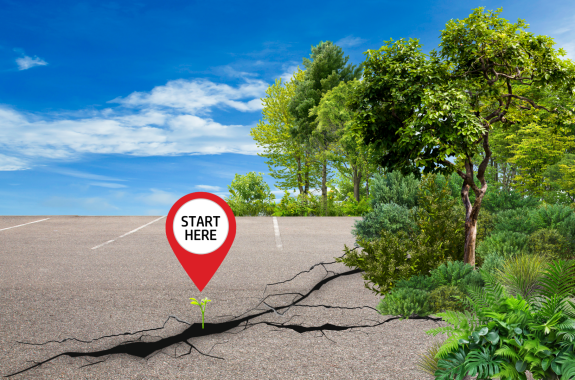
How fast can you grow a forest in a parking lot?
Communities across the world are planting miniforests of trees and native plants to restore biodiversity in unexpected places.
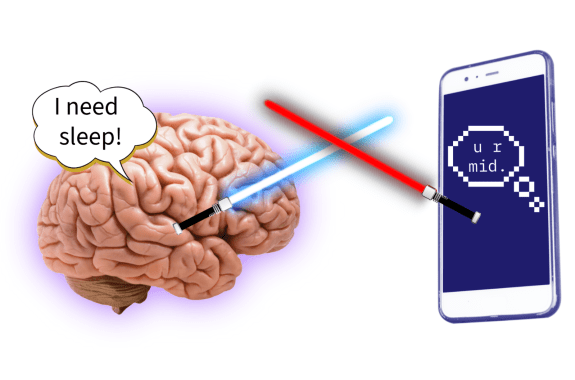
Your brain vs. your phone: A screen time experiment
Investigate your digital habits using real research methods and discover how distractions change your focus, memory, and performance.
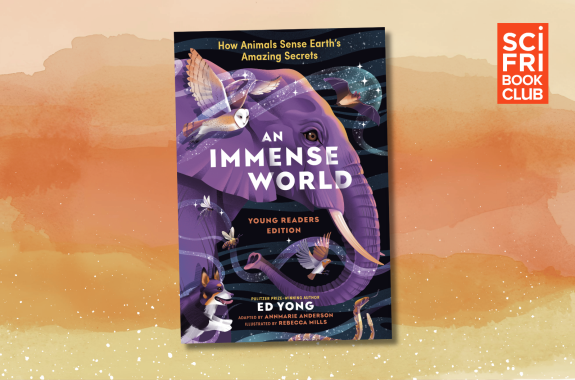
Explore the weird and wonderful ways animals sense the world
Discover the unique sensory adaptations of your favorite animals with the young readers edition of “An Immense World.”
‘Go for toilet’: Artemis II’s out-of-this-world plumbing problem
Investigate the engineering behind space toilets and discover how Artemis II’s crew solved a surprising plumbing problem in microgravity.
Can fossilized vomit tell you what prehistoric animals ate?
Learn how scientists study regurgitalites—fossilized vomit—to explore what prehistoric predators ate and which species shared ecosystems.