On Today's Podcast
Black bears are moving into the neighborhood. How do we coexist?
As black bears return to their historic ranges across the U.S., human encounters are increasing. How can bears and people live in harmony?
Listen NowSeptember 11, 2026
Scientists used fossil records and AI tools to reconstruct a soundscape of a Jurassic forest. Shorter courses of antibiotics may actually reduce antimicrobial resistance. Plus, a new study found a group of genes associated with fibromyalgia. And, as black bears return to their historic ranges across the U.S., human encounters are increasing. How can bears and people live in harmony?
16:34
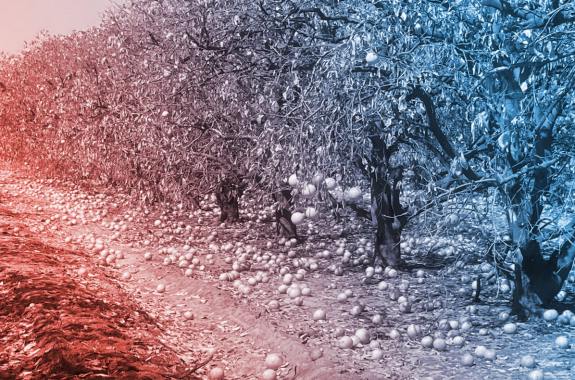
The Aftermath Of Texas’ Winter Storm
While power has been mostly restored, journalists report Texans are now facing water shortages, housing damage, and crop losses.
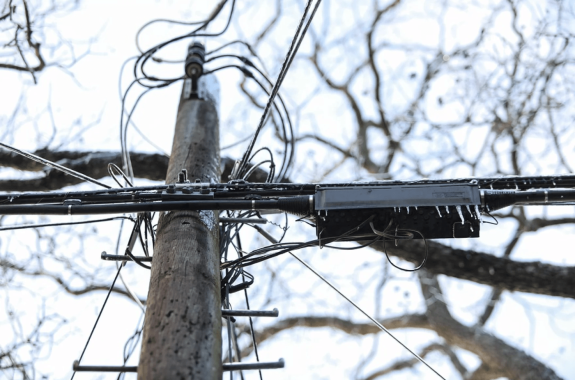
Options Texas Lawmakers Are Considering To Prevent Future Blackouts
The recent winter storm and blackouts in Texas brought the state’s aging infrastructure into painful focus. Here’s what may change.

Robot: Making A Mechanical Mind
A mind we create isn’t necessarily a mind we can control.
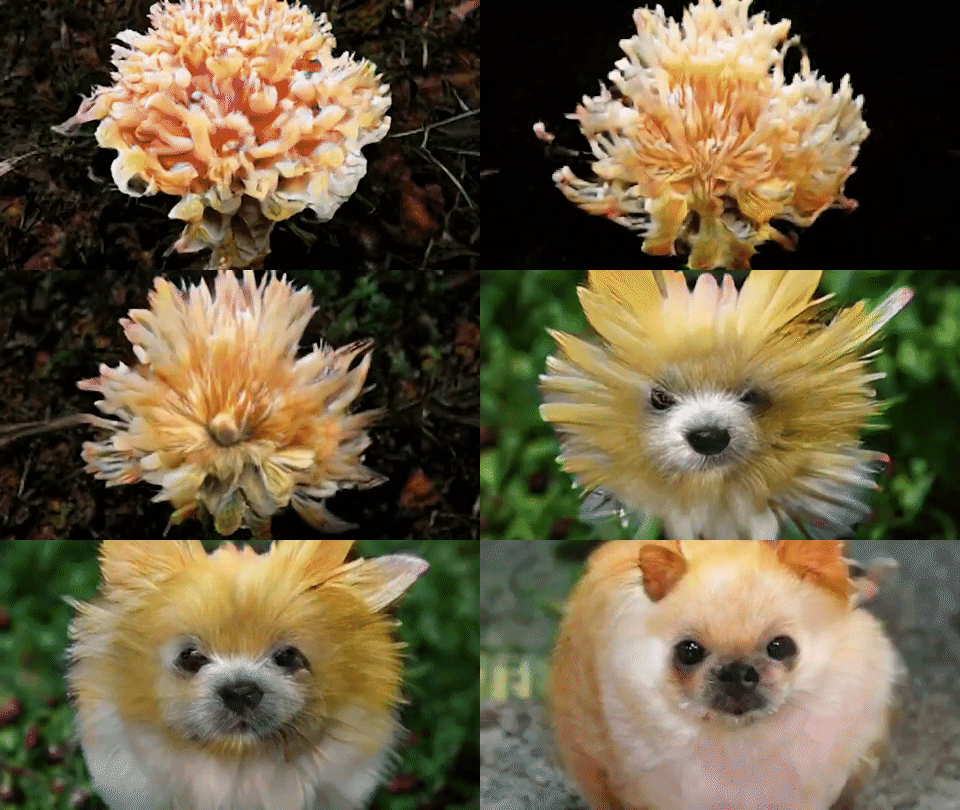
These Stunning Images Were Created Using The Forces Behind Evolution
A computer programmer and artist discovers inspiration in biological growth processes.

12:08
Why Did The Texas Power Grid Fail?
What happens when you don’t winterize your infrastructure. Plus, NASA lands another rover on the Red Planet.
8:08
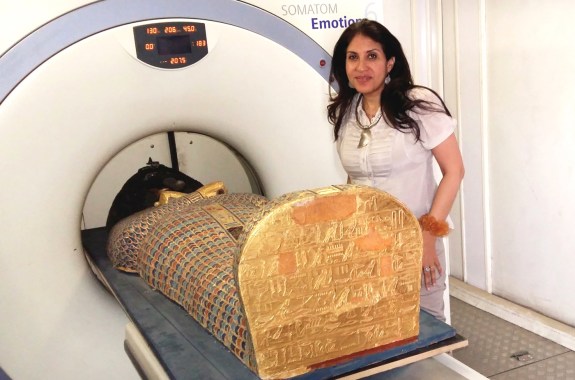
Uncovering An Ancient Mummy Mystery
A CT scan suggests that the Egyptian pharaoh Seqenenre-Taa-II was captured, bound, and executed by multiple assailants.
11:50
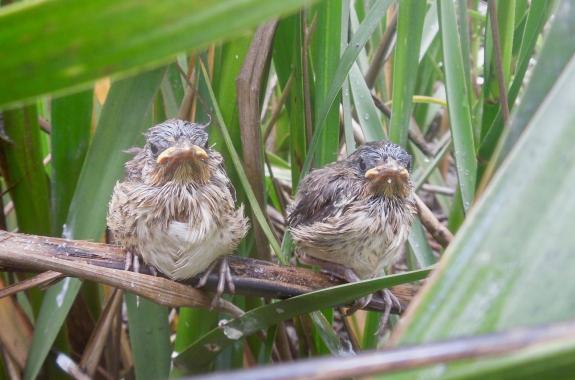
Fish Versus Feather: Georgia’s Salt Marsh Smackdown
Scientists capture unusual video evidence of a fish eating a seaside sparrow’s hatchlings, an example of how climate change is upending ecosystems.

17:22
Reprogramming Labor In Tech
Unions are rising in the technology world. A new labor movement is bridging the gap between blue collar and white collar tech employees.
17:01
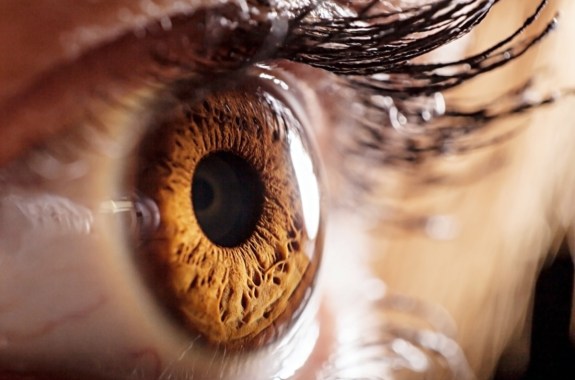
The Neuroscience Behind Seeing Color
Neuroscientist and artist Bevil Conway is creating a model to map out how the neurons in our brain respond to color.

26:02
Fauci Says Majority Of U.S. Adults Likely To Be Vaccinated By Late Summer
NIAID Director Anthony Fauci sheds light on vaccines, variants, and a return to normalcy.
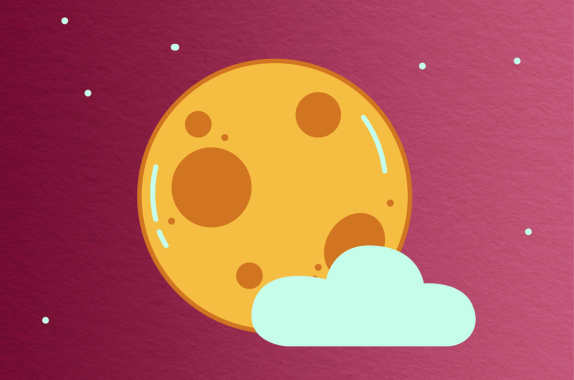
Why The Word “Lunacy” Comes From The Moon
How an ancient belief in the mind-altering power of the moon gave us a word.
12:07
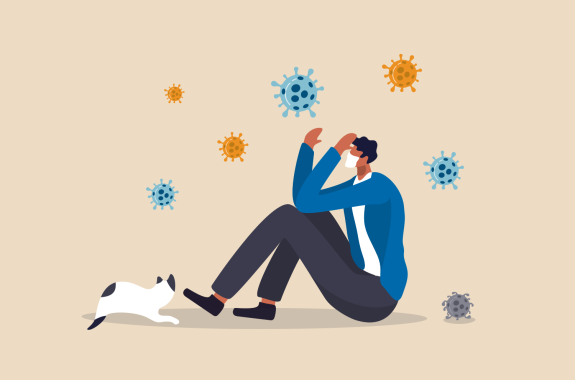
Some People Had COVID-19 For So Long That It Mutated Inside Them
Small numbers of patients seem to be incubators for coronavirus mutation. What does this mean for our efforts to fight the virus?

16:58
Two Masks Are Better Than One
As coronavirus variants spread, the Centers for Disease Control and Prevention are now recommending wearing two masks at once.
16:37
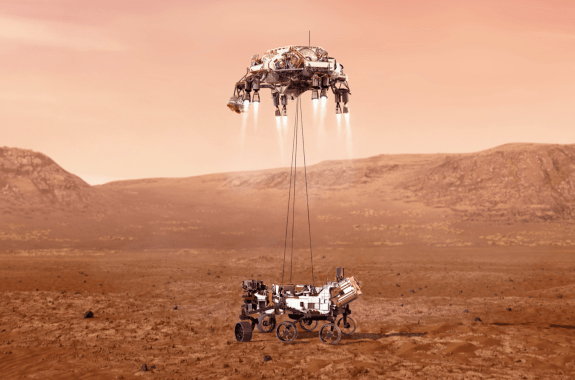
Next Week, A Return To Martian Soil
Scientists hope to use the rover on the red planet’s surface to explore the geology and chemistry of what was once a river delta.

11:59
Seeing The World Through Salmon Eyes
Dissecting eyes is helping measure what fish eat—and the value of different habitats.
5:51
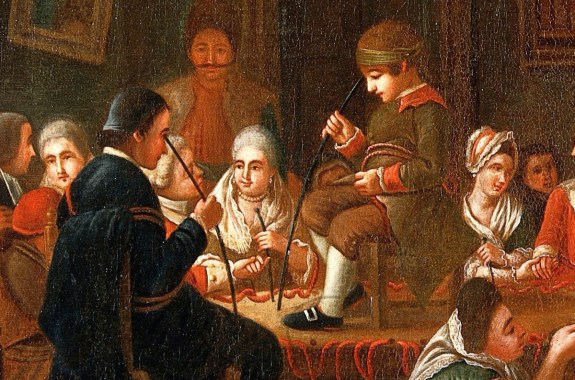
Meet The Man Behind The Word ‘Mesmerize’
Season three of Science Diction begins with the story of a doctor, his peculiar methods, and the power of the mind.
28:13
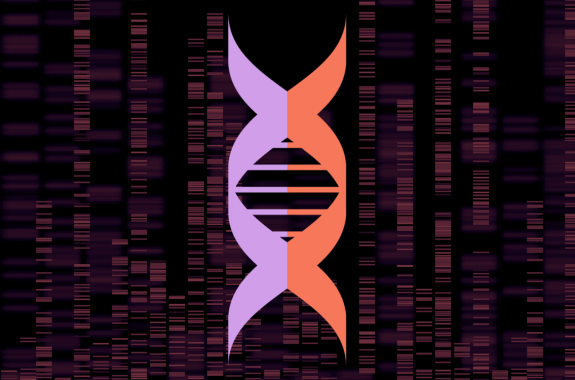
Two Decades Beyond The First Full Map Of Human DNA
It took 13 years for an international group of scientists to sequence the human genome. Today, genetic research faces new hurdles.

The 18th Century Health Craze Behind The Word “Mesmerize”
It all started when a doctor with some peculiar methods showed up in Paris.
12:09
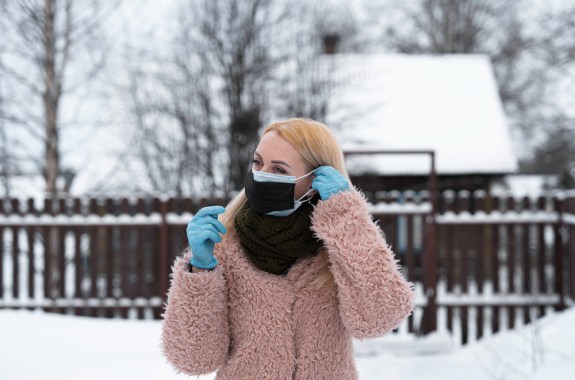
The Thinking Behind New Double-Masking Recommendations
Why the CDC may update its guidance on masking, plus more science news stories from the week.

17:02
This Biden Appointee Is Bringing Justice To Green Energy
The nation’s first presidential appointee for energy justice talks moving to clean energy, without leaving the most vulnerable behind.