On Today's Podcast
Did the fire at the Library of Alexandria set humanity back?
Author Sam Kean explores our fascination with lost knowledge in his new book, “The Museum of Lost Things”
Listen NowSeptember 11, 2026
Scientists used fossil records and AI tools to reconstruct a soundscape of a Jurassic forest. Shorter courses of antibiotics may actually reduce antimicrobial resistance. Plus, a new study found a group of genes associated with fibromyalgia. And, as black bears return to their historic ranges across the U.S., human encounters are increasing. How can bears and people live in harmony?

16:59
What’s Behind The Measles Outbreak In Florida?
Two pediatricians discuss the outbreak, vaccine hesitancy, and unraveling public health measures in Florida and beyond.
5:34
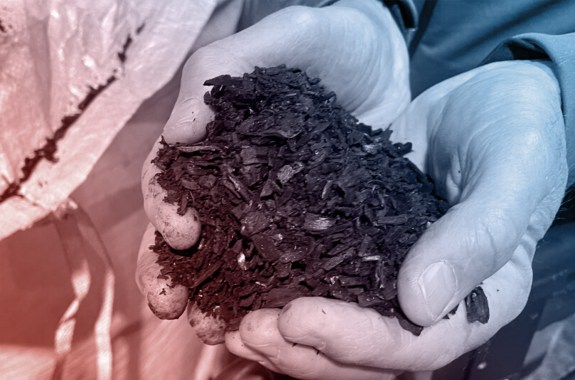
Farmers And Environmentalists Alike Are Excited About Biochar
This charcoal-like substance packs carbon into a stable form, making it less likely to escape into the atmosphere.

11:31
Snakes Are Evolutionary Superstars
In the trees, through the water, and under the dirt: Snakes evolve faster than their lizard relatives, allowing them to occupy diverse niches.
12:08
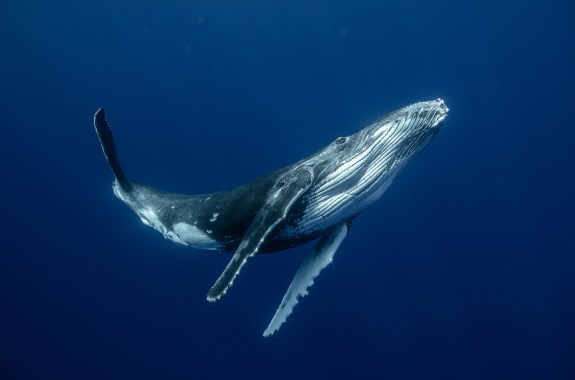
Whale Song Is All In The Larynx
Researchers are working to understand just how baleen whales are able to produce their haunting songs.

16:42
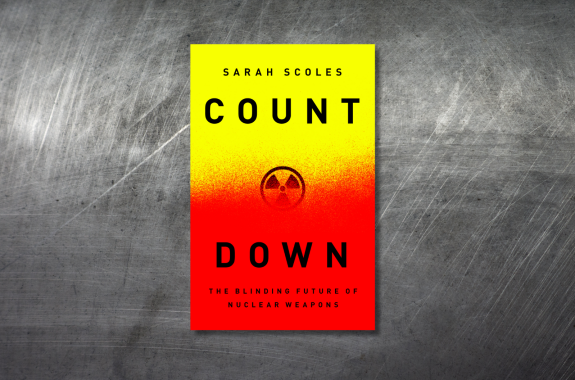
What It Takes To Care For The US Nuclear Arsenal
The book “Countdown” looks at why the US is modernizing its arsenal, and what it means to exist with nuclear weapons.
17:25
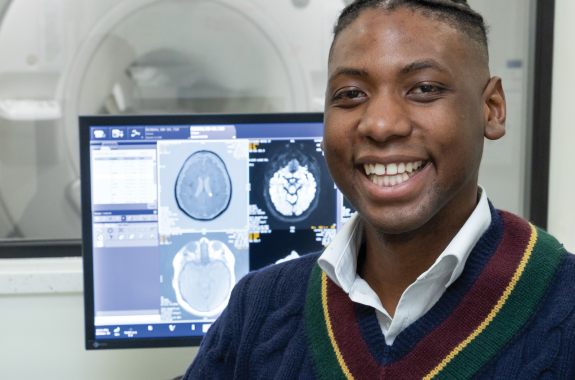
A Young Scientist Uplifts The Needs Of Parkinson’s Patients
Neuroscience graduate student Senegal Alfred Mabry is looking at effects of Parkinson’s disease beyond the most visible body tremors.
Los Alamos And The Beginning Of Our Nuclear Age
In her new book, Sarah Scoles writes about how scientists grappled with the implications of nuclear weapons.

SciFri Live Is Heading To Ames, Iowa!
On Saturday, May 4, join Ira Flatow and the Science Friday team in Ames, IA for a special live stage version of our radio show.
Sign Up For ‘Science Goes To The Movies’
In this newsletter, we explore all the science there is to find onscreen—in the theater or streaming at home!
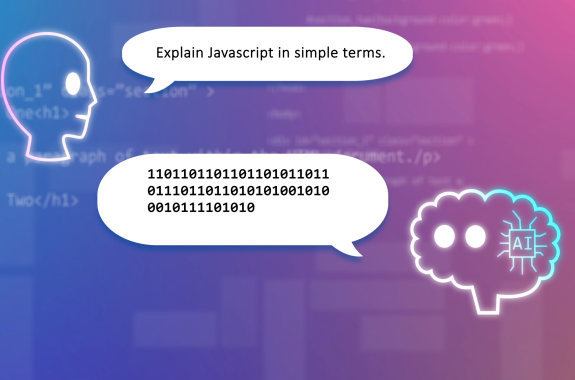
Humanity and AI
How will generative AI change the human world? On Science Friday’s podcast, AI experts share what they know.
12:16
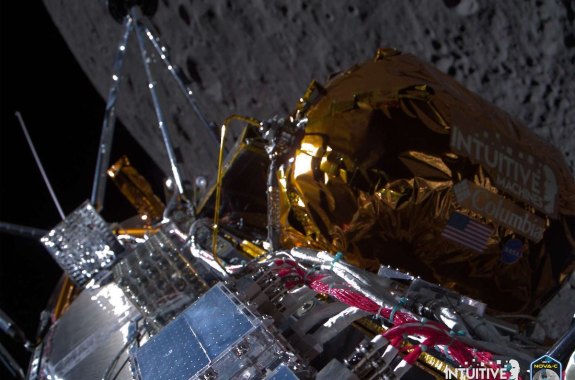
Private Spacecraft Makes Historic Moon Landing
The Odysseus lander, made by Intuitive Machines and launched by SpaceX a week ago, is the first commercial mission to soft-land on the moon.

5:52
A New Recipe For Cloud Seeding To Boost Snowfall In Idaho
Scientists try swapping silver iodide for liquid propane to keep long-running cloud seeding programs effective in warmer temperatures.
17:07
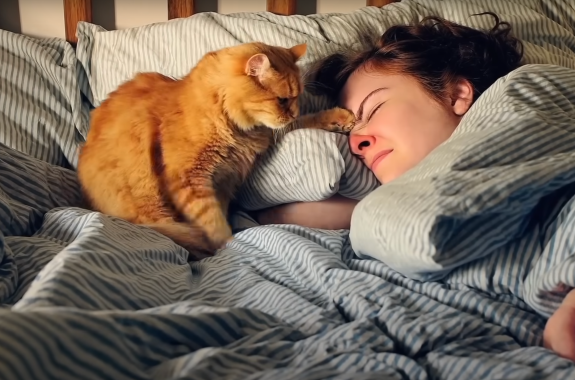
OpenAI’s New Product Makes Incredibly Realistic Fake Videos
A security expert weighs in on Sora, OpenAI’s new text-to-video generator, and the risks it could pose, especially during an election year.

12:16
How One Invading Ant Species Sent Ripples Through A Food Web
In Kenya, the new species pushed out ants that protected acacia trees. That had cascading effects for elephants, zebras, lions, and buffalo.
17:00
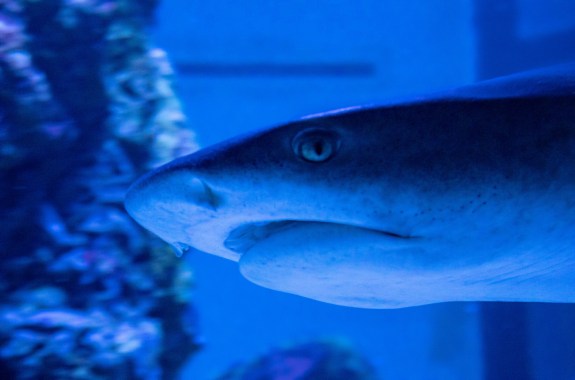
Blood In The Water: Shark Smell Put To The Test
Despite their reputation as super-smellers, sharks don’t have a better sense of smell than other fish. One researcher investigates.

17:29
As Space Exploration Expands, So Will Space Law
A new generation of space lawyers will broker deals and handle disputes between countries as the world enters a new era of space exploration.

11:11
A ‘Jeopardy!’ Winner Studied How Trivia Experts Recall Facts
How can some people recall random facts so easily? It may have to do with what else they remember about the moment they learned the information.

14:12
Protegiendo a la tarántula ‘Satanás’ y a otras adorables arañas
Un equipo de científicos de Ecuador busca describir especies desconocidas de arácnidos para ayudar en su conservación.
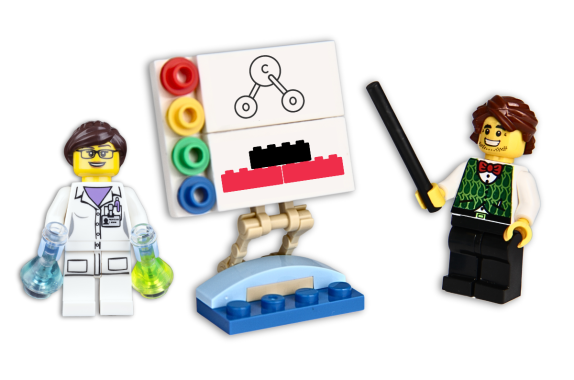
Model Chemical Elements And Molecules With Bricks
Build simple atoms and molecule models using plastic construction bricks—like LEGO—as you explore the elements that shaped all life on Earth.

How Gamification Has Crept Into School, Work, And Fitness
Game developer and author Adrian Hon explains the consequences of allowing gaming principles to creep into so many corners of our lives.