On Today's Podcast
Is a shorter course of antibiotics OK? + Genetic risk of fibromyalgia
Shorter courses of antibiotics may reduce antimicrobial resistance. Plus, a new study finds a group of genes associated with fibromyalgia.
Listen NowSeptember 11, 2026
Scientists used fossil records and AI tools to reconstruct a soundscape of a Jurassic forest. Shorter courses of antibiotics may actually reduce antimicrobial resistance. Plus, a new study found a group of genes associated with fibromyalgia. And, as black bears return to their historic ranges across the U.S., human encounters are increasing. How can bears and people live in harmony?
12:03
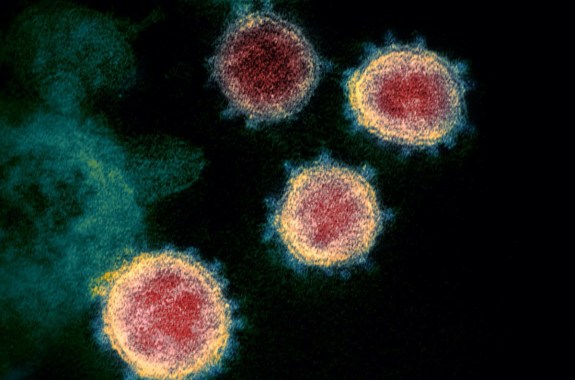
FDA Approves First Breathalyzer COVID Test
A new COVID breathalyzer test returns results in three minutes. Plus, a twisting tale about moon dust, and other recent science news.
16:37
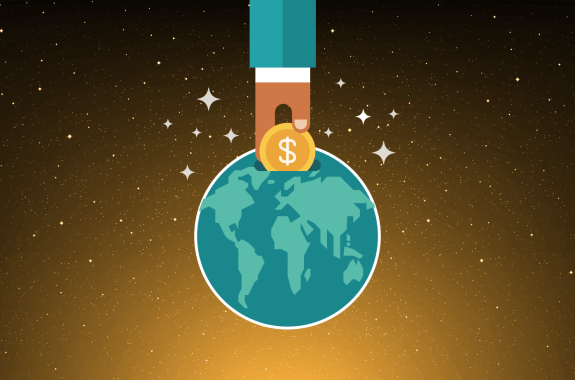
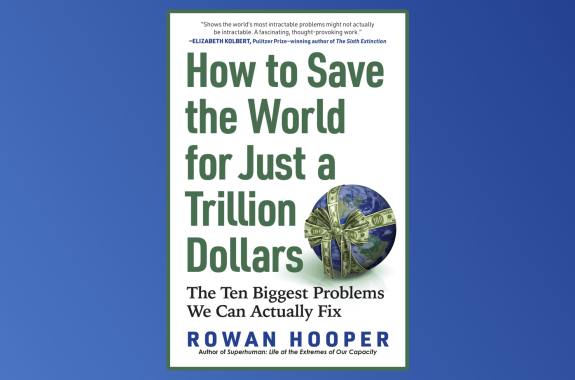
How Would You Spend A Trillion Dollars?
Where an infusion of cash might make the most progress toward fixing the planet’s problems.

12:13
Did ‘Soylent Green’s’ Predictions About 2022 Hold Up?
A classic film in the 1970s took on the collapse of civil society in 2022. Almost 50 years later, was it right?
17:25
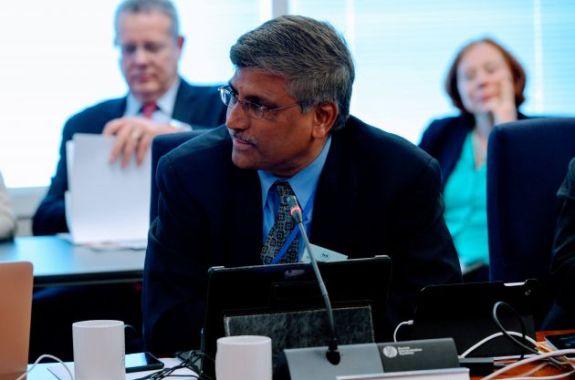
The National Science Foundation Has A New Goal: Entrepreneurship
NSF Director Sethuraman Panchanathan on a new directorate that he says will partner basic research with commercial applications.
6:53
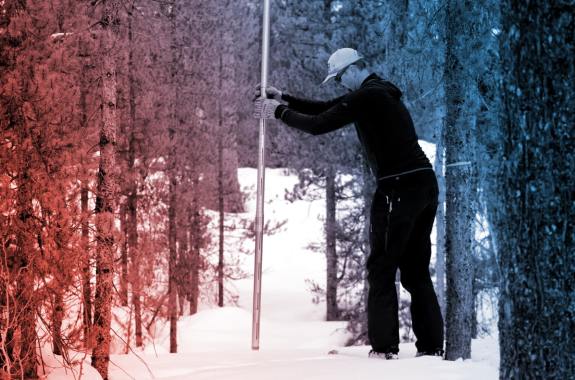
The Colorado River Misses Its Snow
Ongoing drought makes it more important to understand data about snow and rivers.

9:57
Exploring Neptune’s Unusual Seasons
Scientists still know surprisingly little about the planet, which has only been visited by spacecraft once.

17:26
Major Undercount In COVID Cases Makes Our Tracking Data Less Useful
A perfect storm of factors has resulted in COVID-19 case counts being so inaccurate they may be missing a current surge in cases.
Why Exactly Should We Go Back To The Moon—And Onto Mars?
How should we square pro-space arguments from tech CEOs with the history of imperialism and underinvestment in social equity programs?
Celebrate Earth Day At Our Citizen Science Trivia Night
Just in time for Earth Day 2022, discover more about the land, sky, and creatures of our planet at this special edition trivia night.
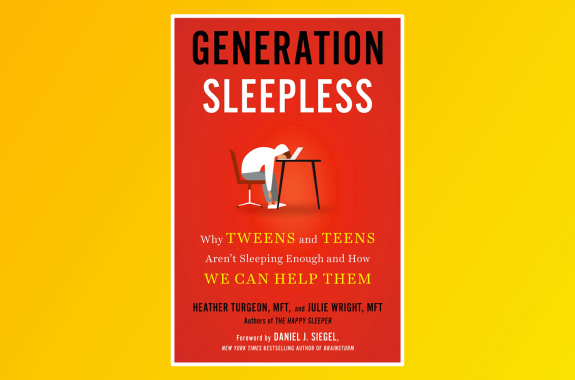
Teenagers Need More Sleep—And They’re Not Getting It
Getting enough sleep is vital for healthy brain development for teens. But outside societal factors prevent this from happening.

12:11
FDA Convenes Panel On COVID Boosters And New Vaccines
Scientists still lack data to determine best intervals for COVID-19 booster doses.
11:53
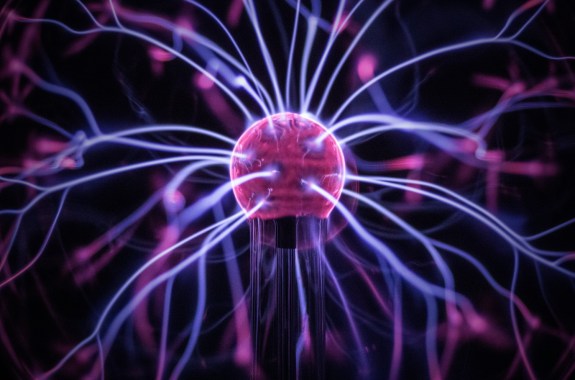
The Future of Sustainable Farming Could Be Cold Plasma
The fourth state of matter makes plants grow faster. Scientists still don’t know why.
34:54
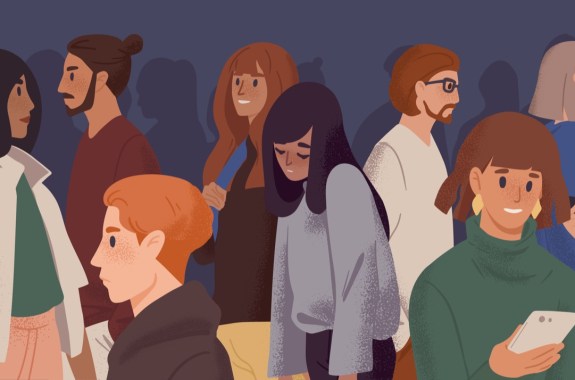
Why Are Teenagers So Sleep Deprived?
A new book explains the combination of factors causing teens to get less sleep than ever before, and how to make sure they get enough sleep.
34:00
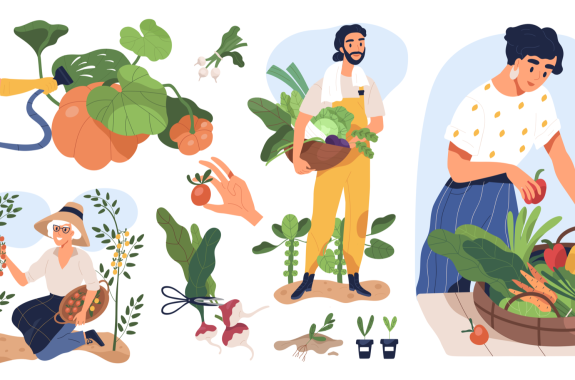
Want To Get Your Spring Garden Going? Here’s Some Expert Advice
Garden gurus and vegetable specialists give advice for planning, prepping, and planting your best garden yet.

Saying Goodbye To Science Diction
It’s been wonderful to have you sharing in our Science Diction fun for the last two years. But, all good things must come to an end.
11:36
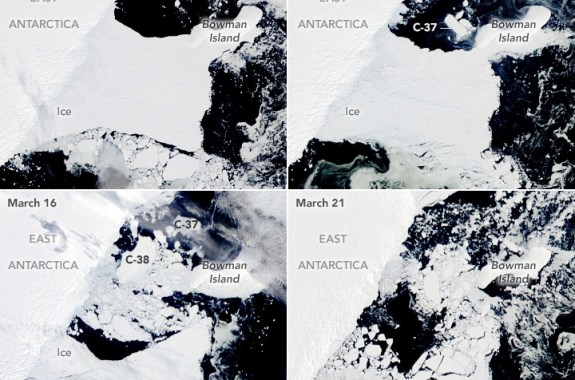
Why Another Antarctic Ice Shelf Collapsed
For the first time, an ice shelf in eastern Antarctica collapsed into the ocean. Here’s why climate change may have played a role.
8:15
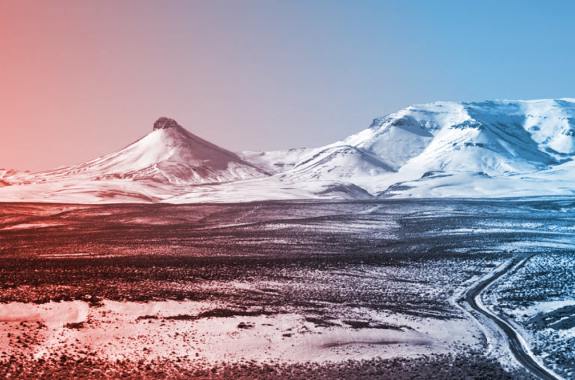
An Oregon Lithium Deposit Could Help Power Clean Energy Tech
As the U.S. divests from Russian energy sources, it looks towards sites like a lithium deposit in Oregon. But mining it might take awhile.
08:32
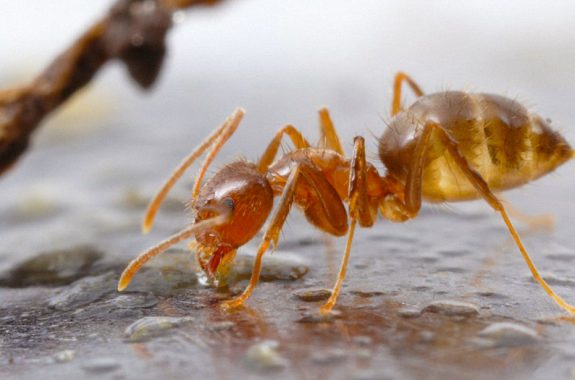
An Unusual Fungus May Control Invasive Tawny Crazy Ants
Most insecticides don’t work against this invasive species. But scientists recently found a fungus that causes infected nests to collapse.

12:00
Can You Read A Bar Graph?
A psychology study found that bar graphs representing averages were prone to misinterpretation. Plus, how to improve your data literacy.
17:09
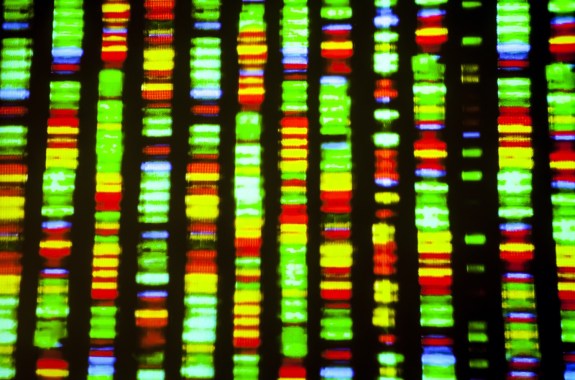
Scientists Release The First Fully Complete Human Genome
After two decades and years of international collaboration, scientists have filled in the final missing pieces of the human genome.