On Today's Podcast
Why are we changing the way we keep time?
Timekeeping scientists around the world voted to stop using leap seconds, but what does this mean for us?
Listen NowOctober 23, 2026
CRISPR pioneer Jennifer Doudna discusses the evolution of gene-editing technology and what it takes to be a good scientist. Timekeepers around the world voted to stop using leap seconds, but what does that mean for us? Plus, how "problem bears" help test engineers evaluate consumer products, author Kazuo Ishiguro on emotional truth in our age of AI, and the science of apple varieties.

Meet Science Friday’s Sixth Cohort Of Educator Collaborators
Meet our sixth cohort of Science Friday Educator Collaborators and the learning experiences they created from Science Friday stories.
12:06
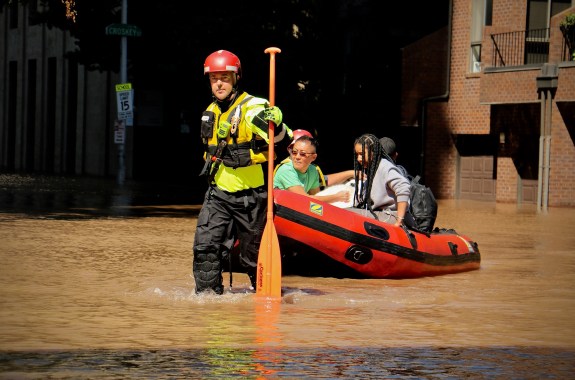
Nation Grapples With Several Climate Disasters At Once
While wildfires blaze out west, Hurricane Ida wallops the eastern United States, more evidence that extreme weather is tied to climate change.
7:39
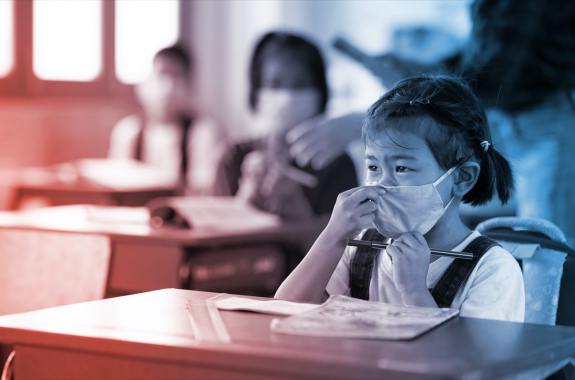
Florida Schools With Mask Mandates Lose Funding
Governor Ron DeSantis’ crusade against masks in schools reaches a fever pitch.
13:56
Many Schools Are Buying High-Tech Air Purifiers. Do They Actually Work?
Some schools are buying air purification systems that may not work as well as a standard HEPA filter, according to air quality experts.

12:05
Fact Check My Feed: Why Are People Taking Discredited Horse Medicine For COVID-19?
Virologist Angela Rasmussen debunks the latest COVID-19 home remedy, and weighs in on new variants.
17:34
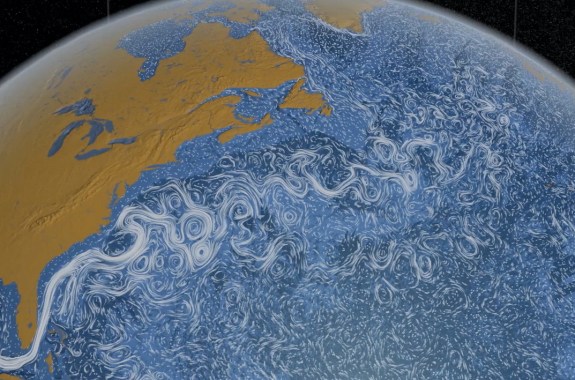
What Happens If Atlantic Ocean Currents Cease To Churn?
Climate models suggest that a crucial ocean circulation pattern is already changing—a sign that we’re heading toward climate tipping points.
17:08
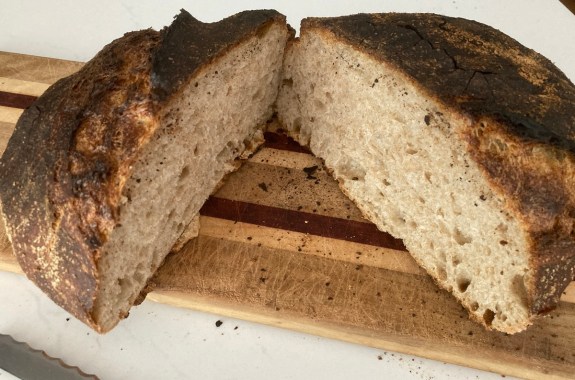
A Sourdough Saga, From Starter To Slice
Author Eric Pallant dives into the delicious culture and chemistry of breadmaking.

9:16
Back To School During The Delta Variant
With pediatric COVID-19 cases rising, and Delta’s high transmission rates, many parents are concerned about school safety.

How Scientists Solved The Mystery Of Rising Bread
From bleeding polenta and a corrupt grain trade, author Eric Pallant traces how scientists figured out that sourdough’s fermentation comes from living microbes.

The Rise Of The Myers-Briggs, Chapter 3: What Is It Good For?
The Myers-Briggs has arrived, but what does it tell us?
12:16
Pfizer’s Vaccine Is Now Fully Approved. What’s Next For The Pandemic?
Many organizations moved to require COVID-19 vaccinations after Pfizer’s shot got FDA approval. What impact will it have on the pandemic?

12:07
A Skeletal Record Of Medieval England Society
Scientists are uncovering clues about medieval life from the bones of ordinary people.
33:58
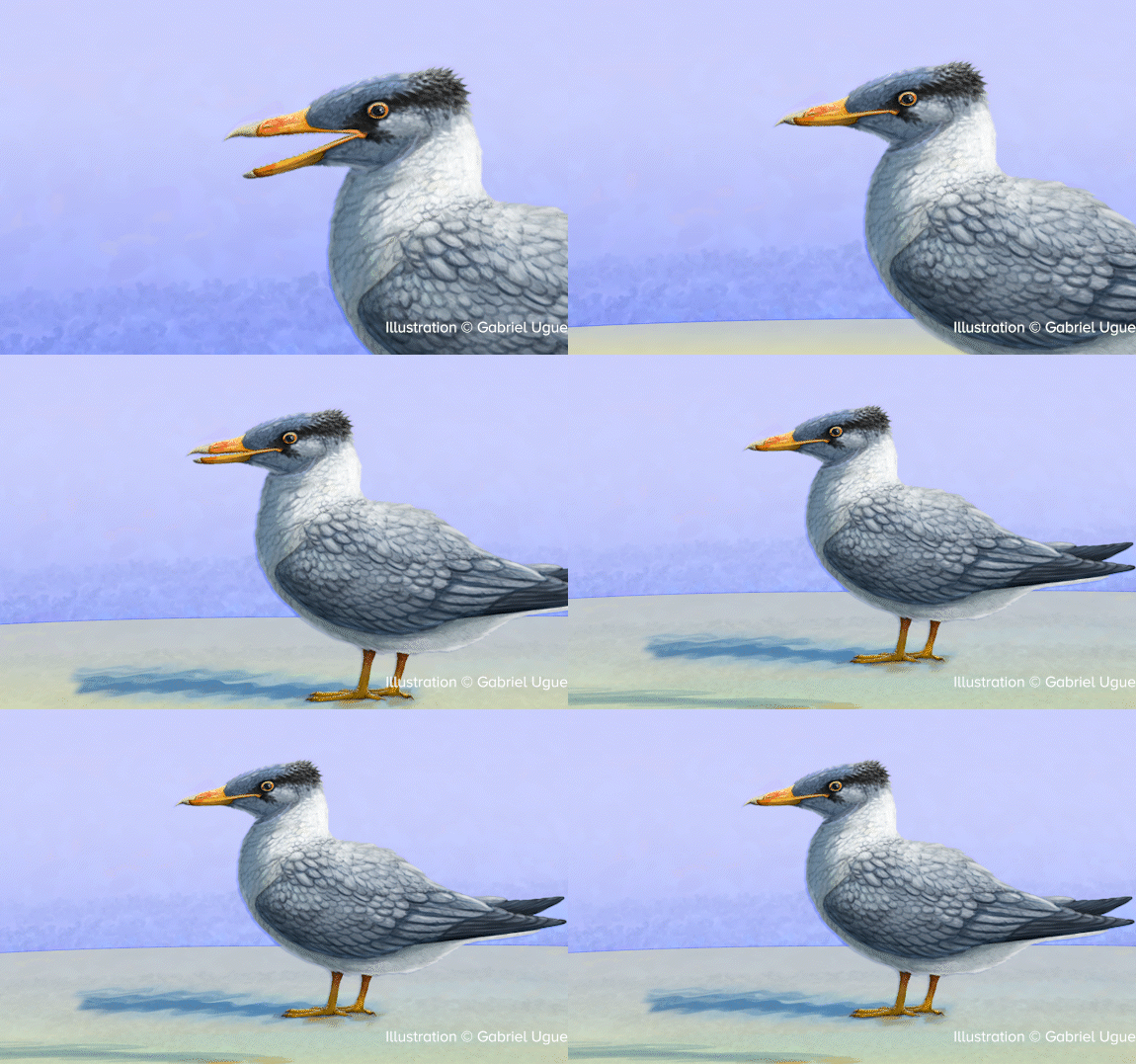
Birds Are The Last Dinosaurs. Why Did They Survive?
The ancestors of modern birds survived the mass extinction event that killed other dinosaurs 66 million years ago. New fossils offer one theory as to why.

32:51
How To Make Solar Power Work For Everyone
As we move away from fossil fuels, how do we make renewables work for everyone?

What Cherokee Fire Pots Can Teach Us About Thermal Conduction
Learn about thermal energy by examining the design of Cherokee fire pots, then reflect on Indigenous ways of knowing and westernized notions of science.

The Rise Of The Myers-Briggs, Chapter 2: Isabel
Isabel turns her mother’s philosophy into a marketable product.

11:53
Why The Delta Variant Will Make More Kids Sick
The pandemic is the worst it’s ever been for children, who cannot be vaccinated. Plus booster shots, an mRNA vaccine for HIV, and more.

16:29
The Minds Behind The Myers-Briggs Personality Test
Who were Myers and Briggs anyway?

12:11
You, Too, Can Be All Thumbs. Or At Least Three.
Scientists are studying what a prosthetic device they’re calling a “Third Thumb” does to your brain.
17:26
The Healing Power Of Nostalgia
The complex emotion that you feel when digging up photos from the past could also be the key to coping with our present—and navigating our future.