On Today's Podcast
Why are we changing the way we keep time?
Timekeeping scientists around the world voted to stop using leap seconds, but what does this mean for us?
Listen NowOctober 23, 2026
CRISPR pioneer Jennifer Doudna discusses the evolution of gene-editing technology and what it takes to be a good scientist. Timekeepers around the world voted to stop using leap seconds, but what does that mean for us? Plus, how "problem bears" help test engineers evaluate consumer products, author Kazuo Ishiguro on emotional truth in our age of AI, and the science of apple varieties.

12:01
Do I Really Need 10,000 Steps A Day? Scientists Say 7,000 Is Fine
It turns out “getting your steps” is more than a trope. New research finally backs up the health benefits of walking.

4:07
NASA Scientist Answers Kids’ Questions About The Mars Rover
A NASA research scientist answers questions from kids about the Perseverance Mars rover, like how its samples will get back to Earth.
12:10
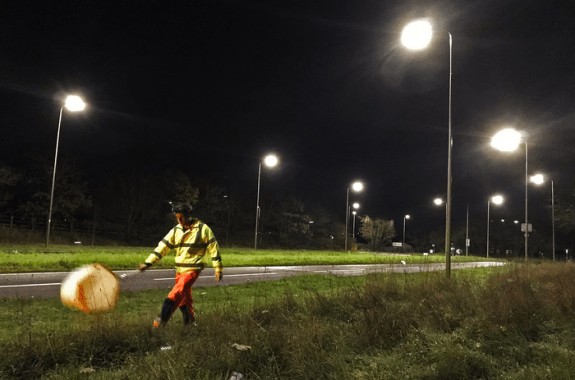
Nighttime Streetlights Are Stressing Out Urban Insects
New findings suggest that streetlights are contributing to the decline of insect populations.

17:32
The Endemic End To The Pandemic
Will the COVID-19 pandemic eventually shift to an endemic stage?
17:24
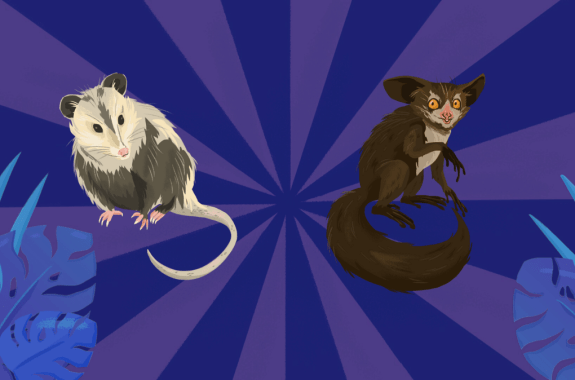
Charismatic Creature Carnival: Who Rules The Night?
Two fuzzy creatures of the night, the opossum and the aye-aye, battle it out during the Charismatic Creature Carnival.
16:47
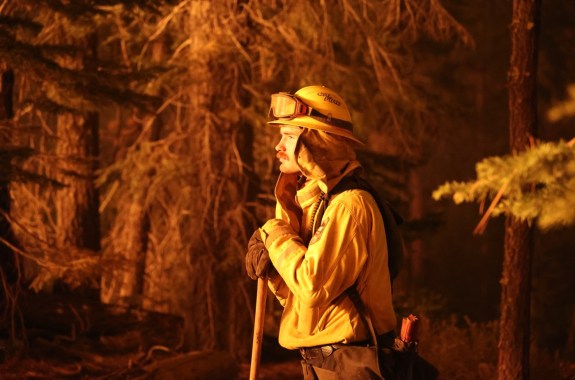
With Worsening Wildfire Seasons, How Can We Learn To Live With Them?
A fire scientist on how we can change our relationship with fire.
Earn P.D. Certificates At SciFri’s Educator Phenomena Forum
On November 4, K-12 STEM teachers are invited to Science Friday’s free professional development series, this time all about space!
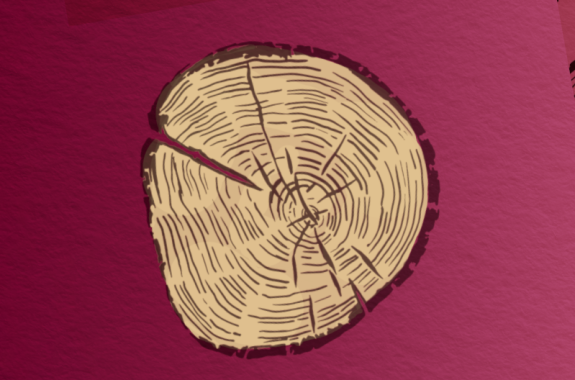
Science Diction: Knock On Wood And Tsunami
The origin of a superstitious phrase, and a Japanese word that’s staked its place in English.
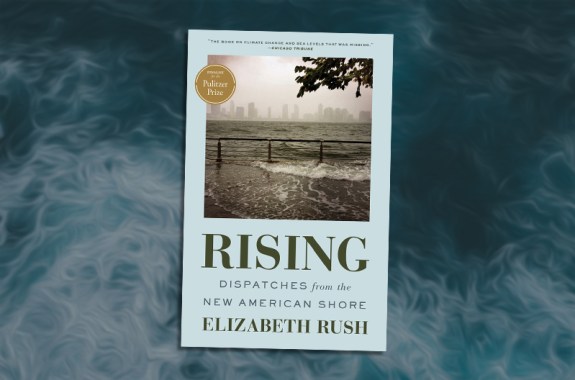
Preview: The Science Friday Book Club Reads ‘Rising’
Elizabeth Rush explores climate change, flooding, and its effects on vulnerable communities in ‘Rising.’ We’ll read it together this fall.

Gathering From Coast To Coast Around Climate Change
This October, The SciFri Book Club team is gathering to explore this fall’s Book Club pick, ‘Rising: Dispatches from the New American Shore.’
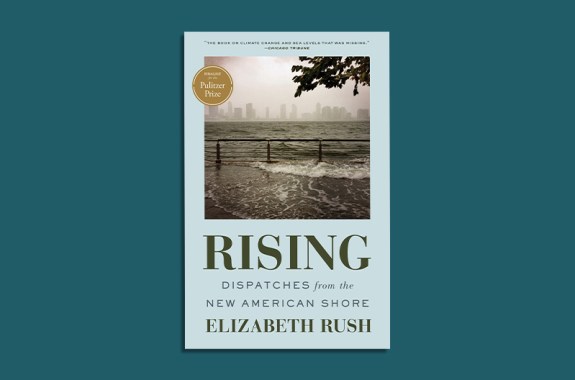
What Coastal Retreat Looks Like On Isle de Jean Charles
On an island shrinking from rising seas, Indigenous communities battle to save their historic land from coastal flooding.

11:26
New Policies Emerge In The Wake Of Climate-Connected Disasters
With fires still burning in the west and gulf states still recovering from Ida, President Biden unveils an expanded solar energy policy.

14:21
Is Inflammation In The Brain Causing Alzheimer’s Disease?
Scientists once thought inflammation as a symptom of Alzheimers. But it might actually be the driver of the disease.
2:57
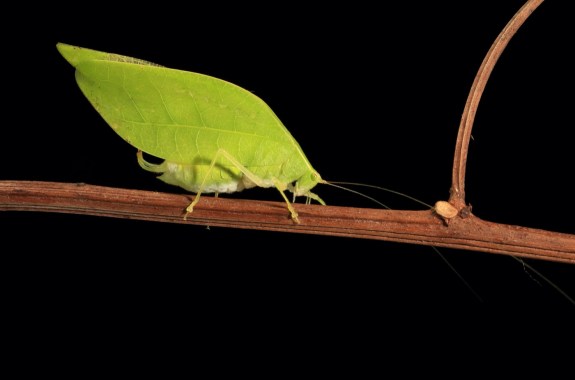
The World According To Sound: Ultrasonics
The podcast ‘World According To Sound’ invites you to throw on headphones and imagine yourself as a katydid on the floor of Panama’s forests.
16:08
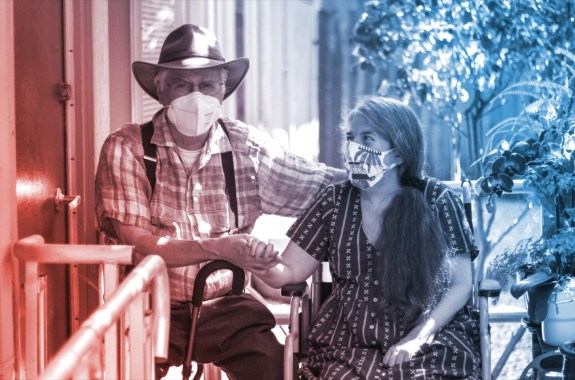
How COVID-19 Reveals Existing Biases Against The Disability Community
Disability advocates feel let down by California’s pandemic response—and are fighting for more equal treatment.
12:08
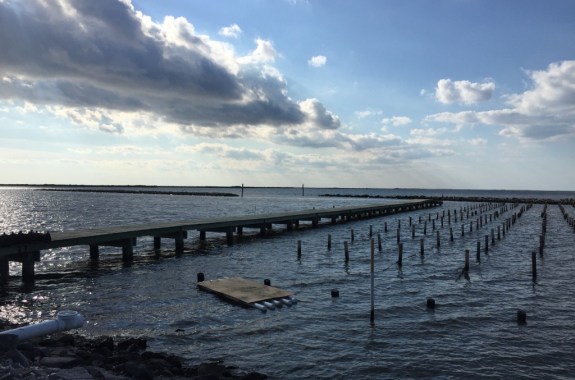
To Breed An Oyster
As climate change shifts ocean chemistry, persuading oysters to breed helps scientists understand how they may be impacted.

17:19
Talking Through The Tangled Terms Of Climate Change
A new report finds that the words and phrases scientists use to talk about the climate crisis are frequently misunderstood.
16:53
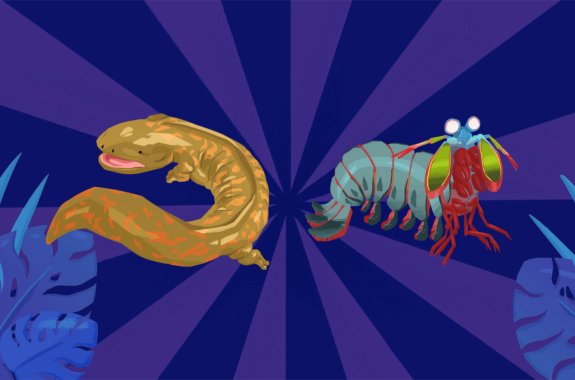
An Aquatic Charismatic Creature Showdown: Mantis Shrimp Vs. Hellbender
Getting wet and wild with our first week of the Charismatic Creature Carnival.

How The Humble Asiatic Dayflower Revealed Clues To Blue Hues
This briefly-blooming plant gave Japanese artists a distinctive dye—and helped scientists answer a color chemistry mystery.
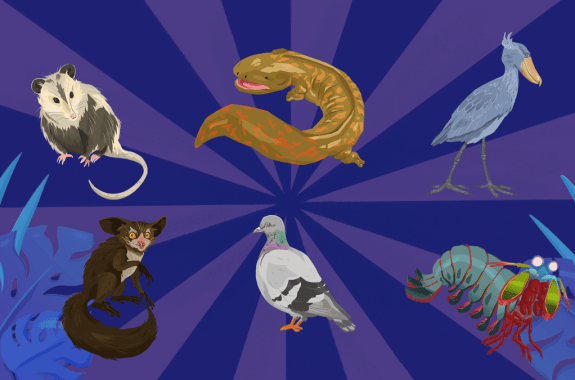
Your Vote Counts In The Charismatic Creature Carnival!
Are you ready to vote for this month’s most Charismatic Creature? After you hear from our experts, cast your ballot!