On Today's Podcast
Why are we changing the way we keep time?
Timekeeping scientists around the world voted to stop using leap seconds, but what does this mean for us?
Listen NowOctober 23, 2026
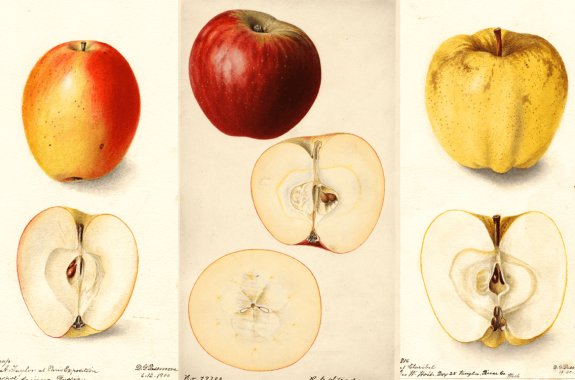
CRISPR pioneer Jennifer Doudna discusses the evolution of gene-editing technology and what it takes to be a good scientist. Timekeepers around the world voted to stop using leap seconds, but what does that mean for us? Plus, how "problem bears" help test engineers evaluate consumer products, author Kazuo Ishiguro on emotional truth in our age of AI, and the science of apple varieties.
16:42
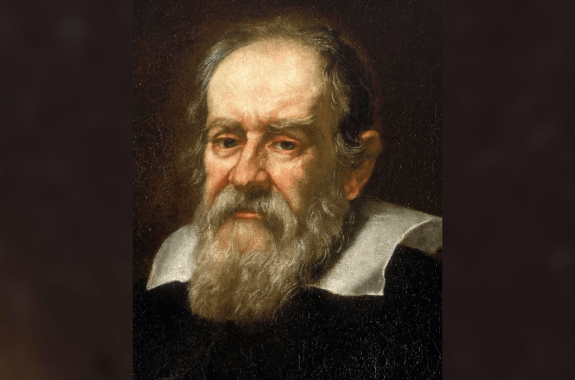
Galileo’s Battle Against Science Denial
How Galileo’s fight for science against skeptics is more relevant than ever.
17:15
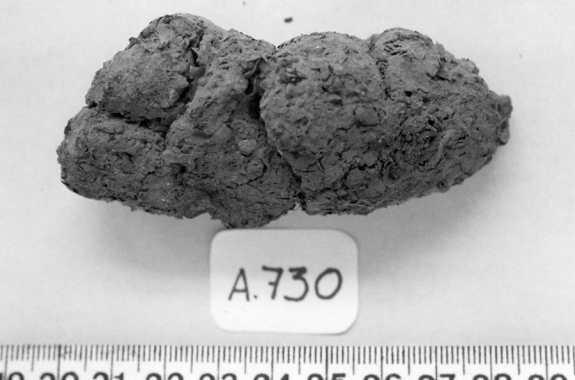
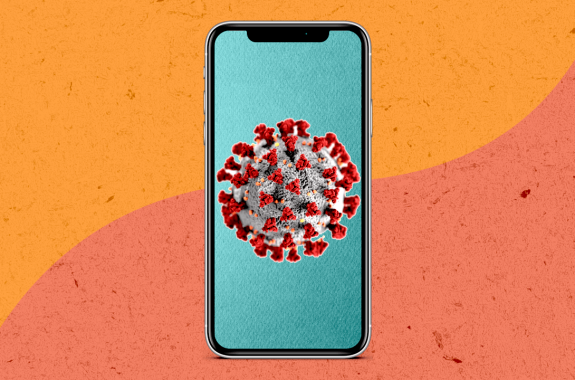
Fact Check My Feed: Finding The Falsehoods In ‘Plandemic’
Plus, a breakdown of this week’s COVID-19 news, including what we do and don’t know about the virus in semen and coronavirus mutations.
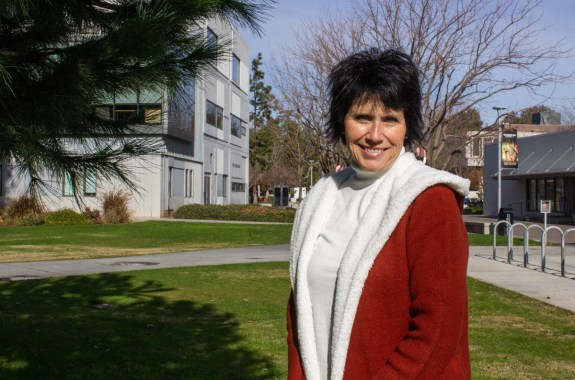
Listen To Your Valley Fever Stories
Family, friends, and patients tell their experiences with the fungal disease. Hear their stories.
11:23
Coronavirus Mutations Aren’t Necessarily Bad News
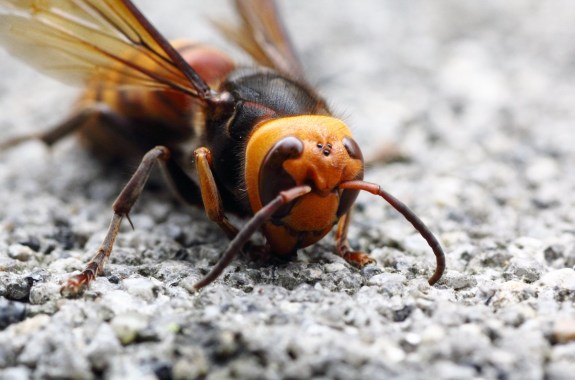
Why we need to slow down and look carefully at new coronavirus research, plus why so-called ‘murder hornets’ aren’t a reason to panic.
12:07
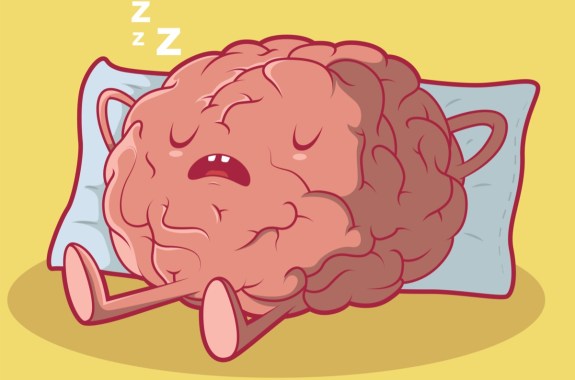
As You Snooze, Your Brain Reviews
People implanted with a brain-computer interface ‘replayed’ newly-learned behaviors while dozing off.

17:15
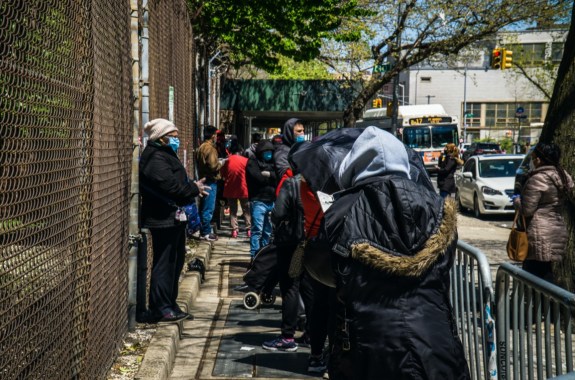
How Do We Build Trust Into Contact Tracing?
Governments and companies are building digital solutions to trace COVID-19’s spread. But public health experts say human labor and trust is irreplaceable.
16:24
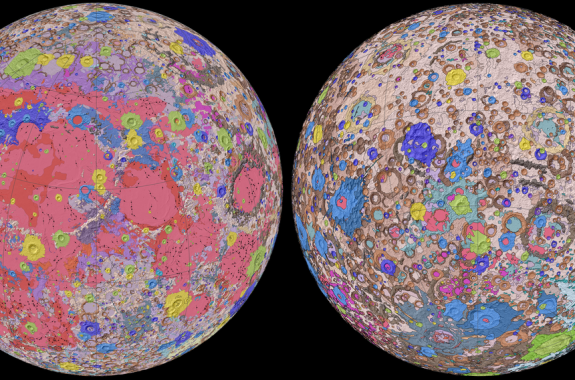
Making A New Map Of The Moon
USGS scientists used their expertise in map-making to catalogue the geology of the moon.
34:08
The Many Ways COVID-19 Exacerbates Pre-existing Inequality
COVID-19 is disproportionately impacting Black, Latino, and Native American communities. Why?
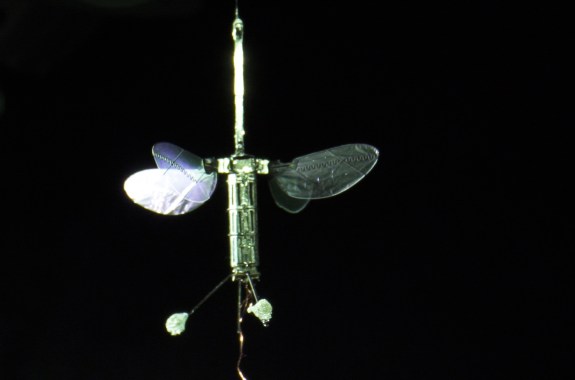
The Bots And Bees
Two Harvard engineers master the RoboBee to create a future fleet of flying, mini machines.
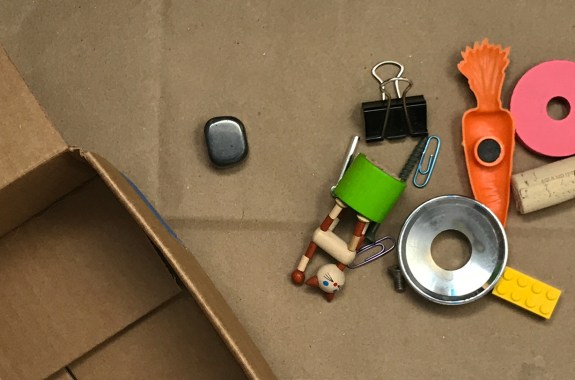
Go On A Hunt For Metals!
A magnet and a penny will help you become a human metal detector.

Sip, Sketch, And Gaze At The Sun (Safely)
On May 12, join Science Friday and Adler Planetarium to look through a telescope at the Sun together, through the power of the Internet. Get inspired by what you see and make an artwork as we look up!
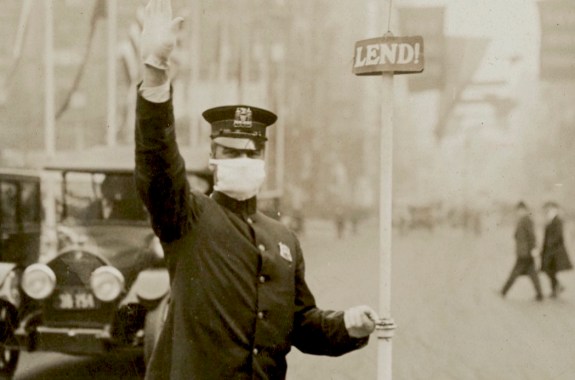
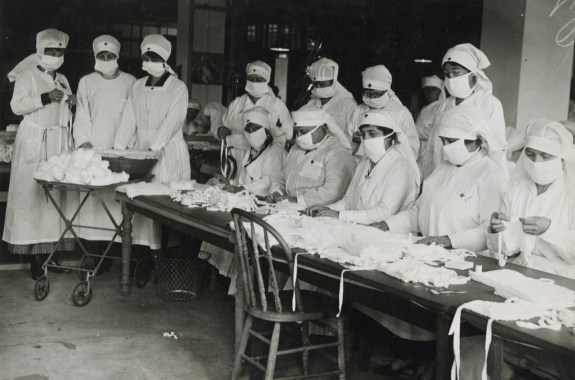
Looking Back At The 1918 Flu Pandemic, In Photos
Take a glimpse at archival photos of scenes and people living during one of the deadliest pandemics in human history.

7:38
Strokes In COVID-19 Patients, Plus Trauma In Healthcare Workers
A handful of COVID-19 patients under the age of fifty have experienced strokes, raising questions about the virus.
4:32
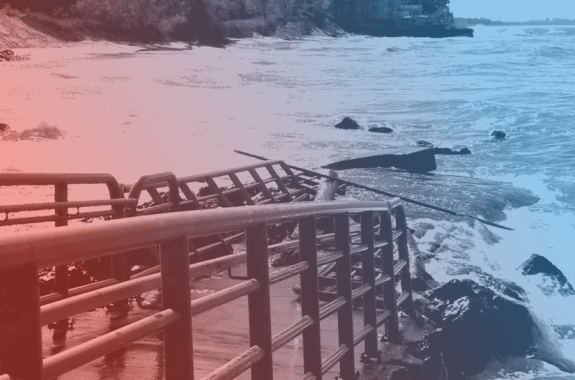
Erosion Threatens A Unique Ecosystem
Indiana’s Lake Michigan shoreline is one of the most biodiverse places in the country. But that biodiversity is now washing away.
17:04
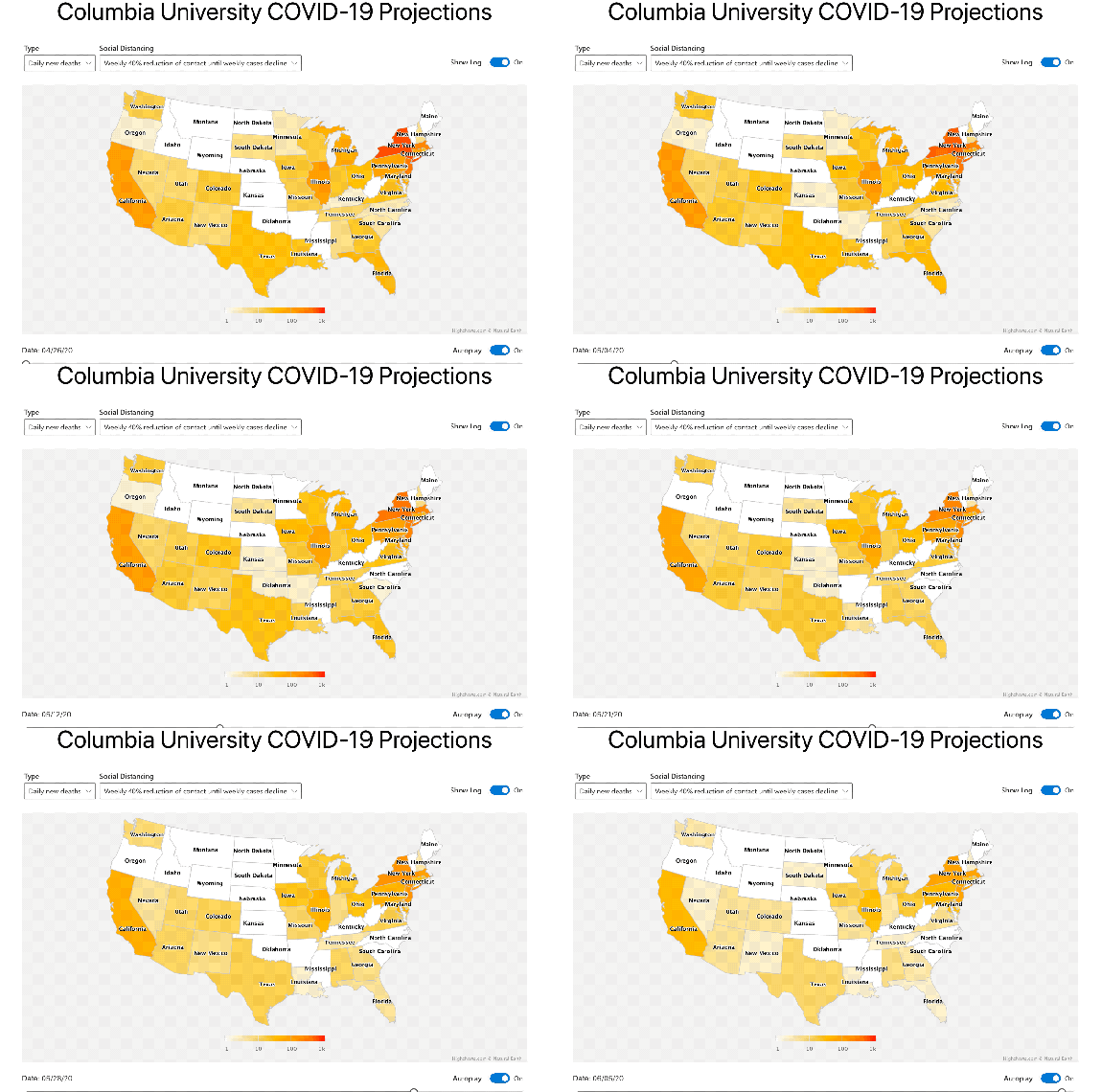
Navigating COVID-19 By The Numbers
Mathematical modeling can help guide tough decisions about how society should respond to COVID-19.
12:05
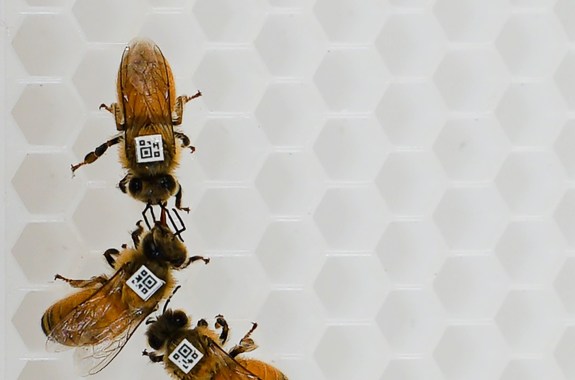
A Viral Battle In The Honey Bee Hive
An evolutionary arms race between bees and a virus may change hive behavior.
16:42
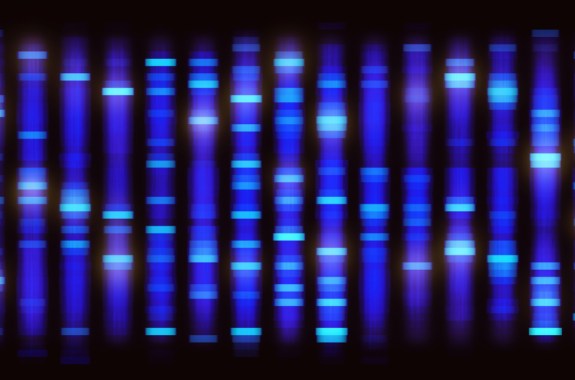
The Twists And Turns Of The Evolution Of Life On Earth
DNA sequences may help scientists fill in the story of evolution.
17:16
A Pandemic Precedent—Set in 1918
What can we learn from the United States’ response to the 1918 influenza pandemic?