On Today's Podcast
Why are we changing the way we keep time?
Timekeeping scientists around the world voted to stop using leap seconds, but what does this mean for us?
Listen NowOctober 23, 2026
CRISPR pioneer Jennifer Doudna discusses the evolution of gene-editing technology and what it takes to be a good scientist. Timekeepers around the world voted to stop using leap seconds, but what does that mean for us? Plus, how "problem bears" help test engineers evaluate consumer products, author Kazuo Ishiguro on emotional truth in our age of AI, and the science of apple varieties.

5:17
The Private Space Race Takes A Toll On Planet Earth
Carbon dioxide is the least of our worries when it comes to private spaceflight.

9:13
Are Phages A New Page In Medicine?
Scientists first discovered phages’ ability to treat bacterial infections about a century ago. Can their virus hunting skills be turned into new treatments?

25:00
How To Combat The Antibiotic Resistance Crisis
Antibiotic resistant infections are a growing problem, but researchers are developing a multi-pronged approach to solve it.
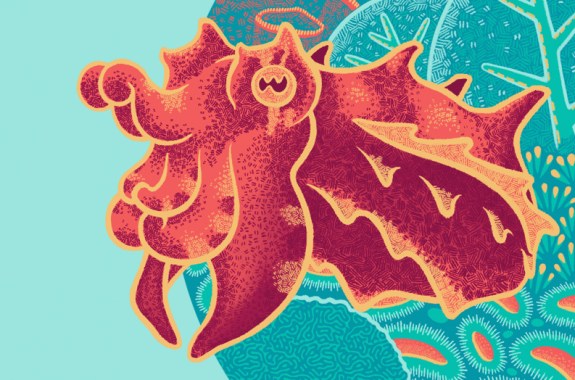
Cephalopods Are Coming To A Town Near You!
This June, gather with us in Atlanta, Houston, Miami, and Thousand Oaks for another sunny Cephalopod Week celebration.

This Astrophysicist Turned Star Data Into 3D-Printed Spheres
Astrophysicist Nia Imara’s career merges art and astronomy to figure out how stars are born.

12:17
Dirty Diapers Reveal How Germy Babies’ Microbiomes Are
A new study found 10,000 virus species in baby poo.
11:14
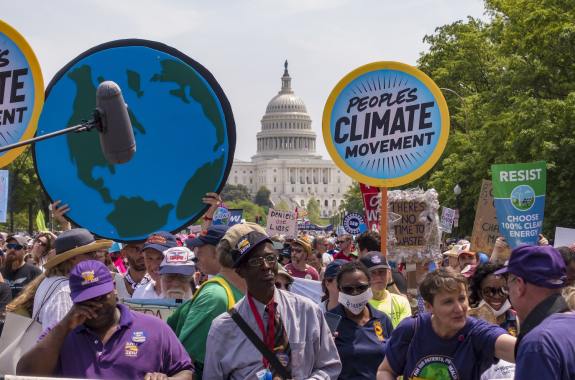
Why Climate Activists Are Turning To Drastic Measures
To express their urgency, climate activists are increasingly turning to more disruptive acts of civil disobedience.

5:32
Recasting The Climate Movement In ‘How To Blow Up A Pipeline’
A new environmental thriller raises big questions about the goals and methods of climate activists.

11:54
The Southwest Is Learning to Live With Less
A new podcast is a tale of climate change and bureaucracy due to Colorado River drought.

17:20
Why Do Humans Anthropomorphize AI?
You might intellectually know a chatbot is a computer, but it’s hard not to imagine it has feelings.

7:49
A Bee’s Eye View Of Cities’ Microbiomes
Researchers found that samples from beehives could reveal important environmental differences between cities, and even neighborhoods.

9:33
This Is Your Brain On Words
A recent study explores what parts of the brain get activated while reading.

17:22
From Backyards To Barn Yards, The Surprising Science Of Chickens
Author of the new book “Under the Henfluence: Inside the World of Backyard Chickens and the People Who Love Them” ponders America’s favorite fowl.
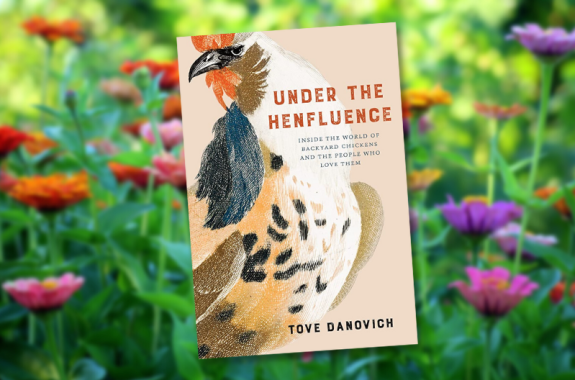
The History And Science Of America’s Favorite Backyard Bird
Author Tove Danovich explains the wild history of chicken domestication and the surprising science of chicken intelligence.

The Mortgage Realities Of A Dream Home
Purchasing a house is not just about how it looks and feels, but the actual costs. Learn to calculate the mortgage of your dream home.

AI For STEM Education
Enhance STEM education with resources and discussions that investigate the world of artificial intelligence, chatbots, and machine learning.

Investigate Biodiversity As You Design A Frog
Design a frog species of your own as you learn about the many ways frogs and toads adapt to their environment.

9:53
An Explosive End For A Massive Rocket
The uncrewed test flight of SpaceX’s Super Heavy rocket and Starship space vehicle ended suddenly minutes after liftoff.

2:13
Listen To Science Friday’s New Arts Podcast, ‘Universe Of Art’
On ‘Universe of Art,’ meet illustrators who draw invertebrate butts and astrophysicists who 3D-print galaxies they’re studying.

11:09
Dismantling Myths About Menstruation
Half the world menstruates. So why does it still feel taboo to discuss?