On Today's Podcast
Why are we changing the way we keep time?
Timekeeping scientists around the world voted to stop using leap seconds, but what does this mean for us?
Listen NowOctober 23, 2026
CRISPR pioneer Jennifer Doudna discusses the evolution of gene-editing technology and what it takes to be a good scientist. Timekeepers around the world voted to stop using leap seconds, but what does that mean for us? Plus, how "problem bears" help test engineers evaluate consumer products, author Kazuo Ishiguro on emotional truth in our age of AI, and the science of apple varieties.
23:52
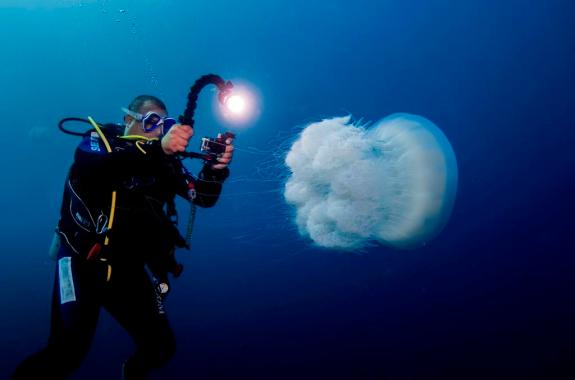
Jellyfish, The Misunderstood Genius Of The Sea
The untold story of jellyfish is one of perception versus reality.
9:58
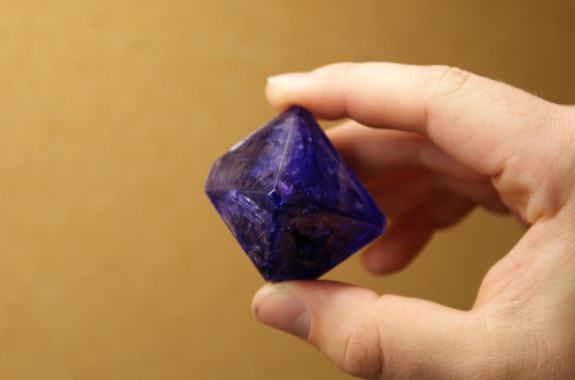
How To Grow Your Own Crystals
At the United States Crystal Growing Competition, chemistry gleams and sparkles.
22:14
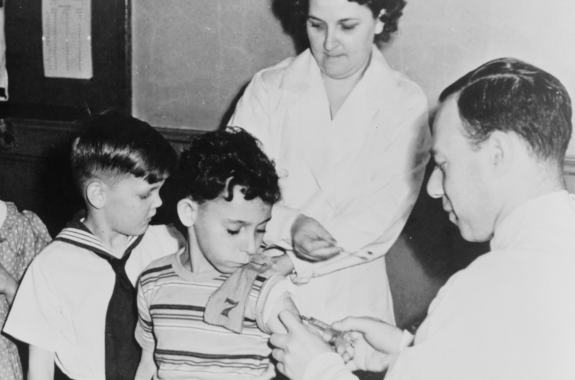
Boosting Vaccination Rates, One Conversation At A Time
What we’re learning about how to convince people that vaccines are safe and necessary.
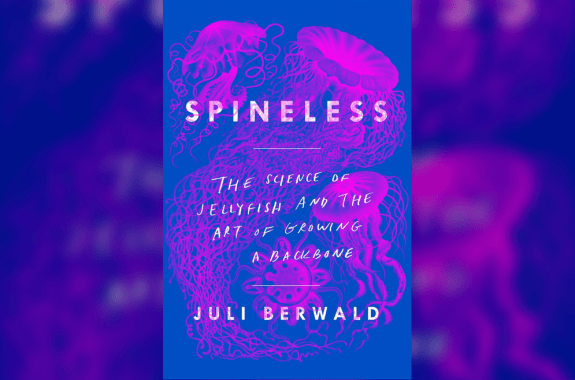
How Jellyfish Helped A Marine Biologist Find Her Calling
Juli Berwald recounts not the not-so-straight path that led to her work as a marine biologist.
Science Facts: Vaccines
Use these facts when talking with friends and family who don’t “believe” in vaccinating their children.
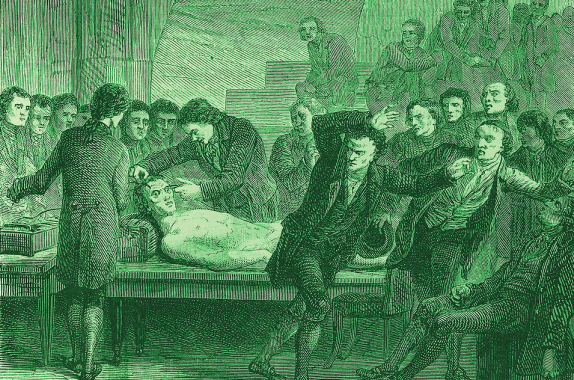
What You Said: Frankenstein, Today
SciFri listeners weigh in on Frankenstein, Silicon Valley’s tech monsters, and the ethics of modern inventions.
7:44
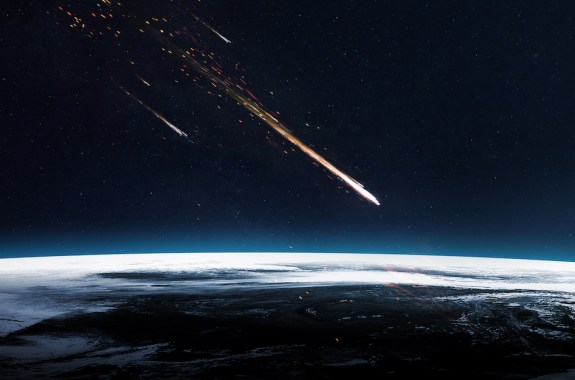
A Michigan Fireball, An Omnivorous Shark, And An Ancient Epidemic
An exploding meteor gave a spectacular sky show near Detroit.

4:32
As Trump Pushes Offshore Drilling, Local Lawmakers Push Back
How states like California could put up their own barriers to proposed drilling rules.

16:17
Is Silicon Valley Making Its Own Monsters?
The unintended consequences of the tech world, and what CEOs could learn from Mary Shelley.
12:05
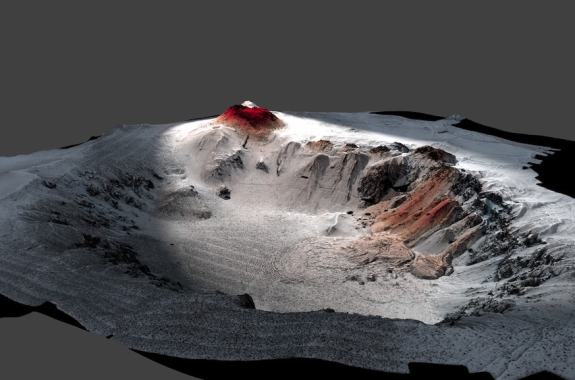
The Fiery Mountains Under The Sea
Most of the world’s volcanic activity happens under the sea—but we know very little about it.
17:30
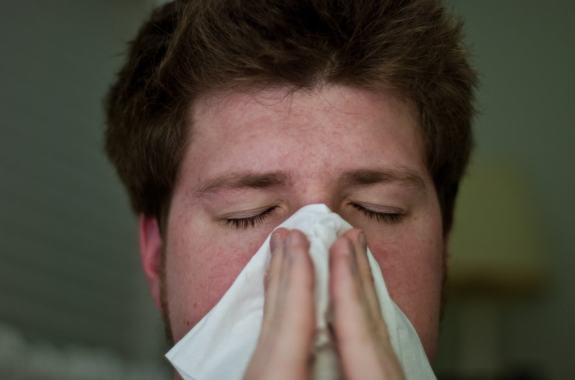
In 2018, The Flu Is Back With A Vengeance
A nasty flu season has researchers doubling down on efforts to create a more effective vaccine.

16:24
Do Sleep Apps And Gadgets Really Help You?
Turns out, clocking in your data doesn’t mean clocking in better sleep.

17:17
Do Predictive Algorithms Have A Place In Public Policy?
Algorithms in are being used to aid decision-making in courts, child welfare, and other areas of public policy.
Introducing ‘Science Facts’
We’re teaming up with the Reynolds Journalism Institute to help you have conversations about climate change and more.

Science Facts: Climate Change
Use these facts when talking with friends and family who don’t “believe” in climate change.
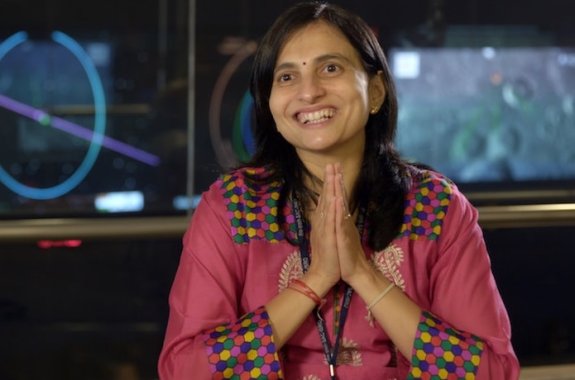
‘Breakthrough: Women In Science’ In Theaters!
From March 5 – 31, the Science Friday video series is heading to Alamo Drafthouses across the U.S.
7:41
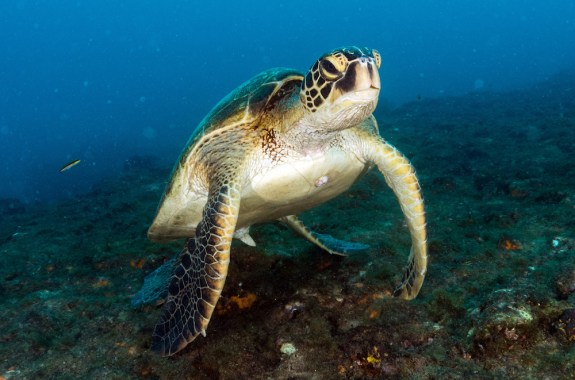
Radio Bursts, A Trip To CES, And A Sea Turtle Shift
New research argues that mysterious deep-space radio bursts may be produced by neutron stars.
4:17
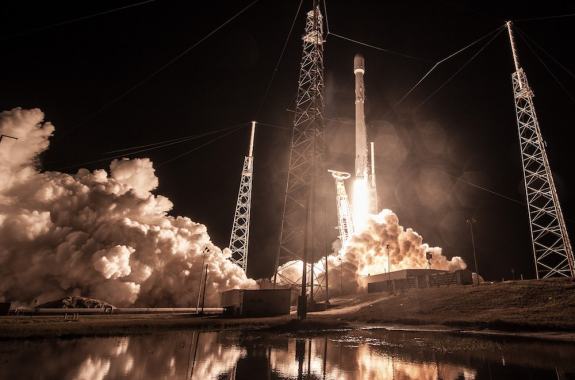
A Successful Launch…Or Was It?
SpaceX says its recent launch of a secret payload went as planned. But the satellite is missing.

Breakthrough: Bitter Water
For Navajo hydrologist Karletta Chief, water is sacred. When a mine spill contaminated a vital river in the Navajo Nation, she decides to investigate the potential environmental and health impacts it had on her community.

17:08
Stretching The Boundaries Of Cell Biology
How squeezing, squishing, and stretching cells can change their biology—and why it matters to medicine.