On Today's Podcast
Promising new treatments for pancreatic cancer and ALS
A new pancreatic cancer drug doubles survival times. And a new treatment for a rare form of ALS slows and improves some patients' symptoms.
Listen NowJune 26, 2026
The chlorine in swimming pools reacts with our urine and sweat, producing volatile chemicals that are potentially harmful to breathe. A new pancreatic cancer drug doubles survival times. Plus, as NASA prepares for long-term moon bases, scientists are working on how to grow food in lunar soil and deal with razor-sharp moon dust. And, how different types of laughter originate in the brain.
17:39
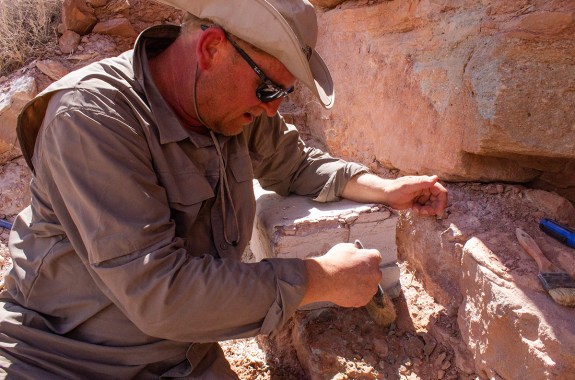
Utah Is A Gold Mine For Fossils
We find out what it’s like to step into a paleontologist’s boots and discover some dino gold.
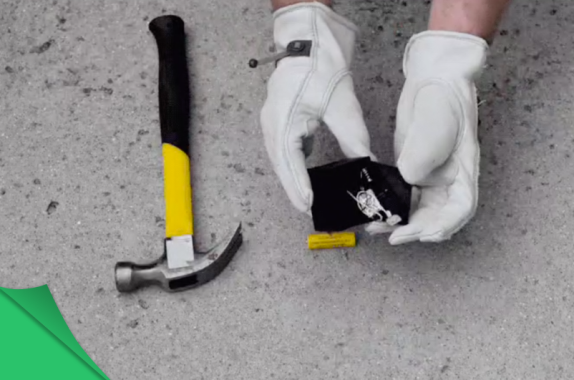
Hack A Solar Circuit
Deconstruct an inexpensive solar circuit, then repurpose it to engineer a foldable, lightweight solar-powered device that solves a real human problem.
6:02
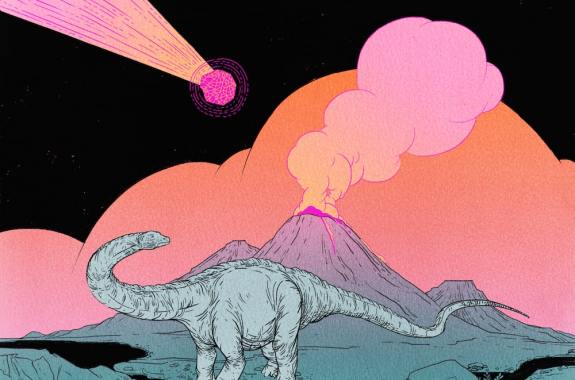
What Really Killed The Dinosaurs?
The prevailing theory says a meteorite led to the demise of the dinos. But one holdout scientist isn’t buying it.
7:30
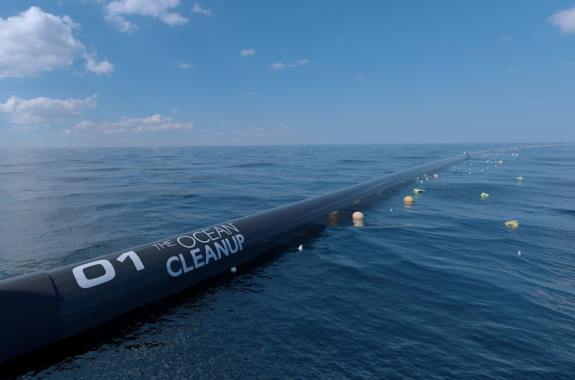
To Combat The Great Garbage Patch, A Great Pool Noodle?
A test aims to lasso floating plastic waste in the Pacific. But not everyone is convinced the approach will be helpful.
4:39
In Utah, A New Approach To School Vaccine Waivers
Will a new education program convince fewer people to forego vaccines?
5:08
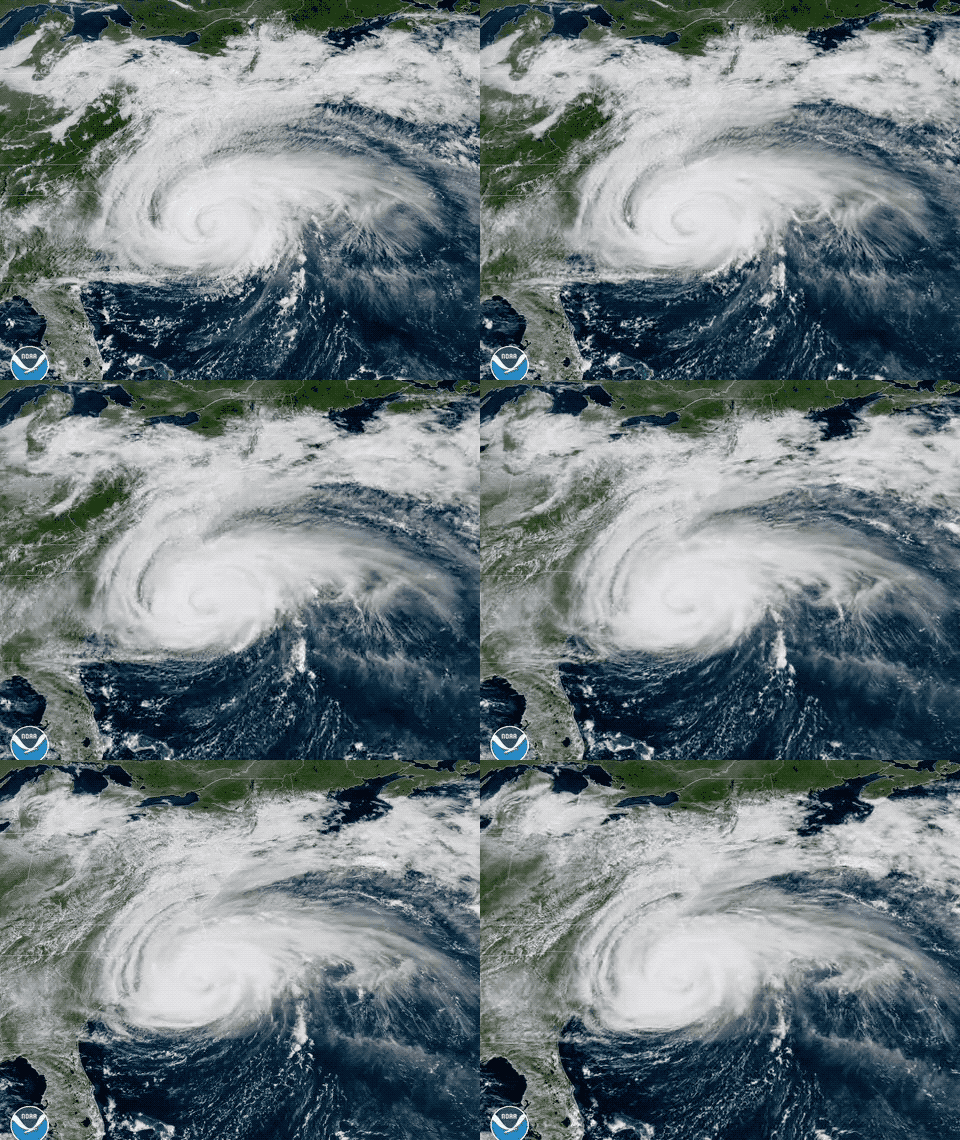
Water, Water, Everywhere
As Hurricane Florence nears land, one engineer notes the rising risk of a flooding double whammy as sea levels rise and the climate changes.
12:04
The Future Of Soil Under A Changing Climate
How can we protect soil health under changing climate conditions?
17:34
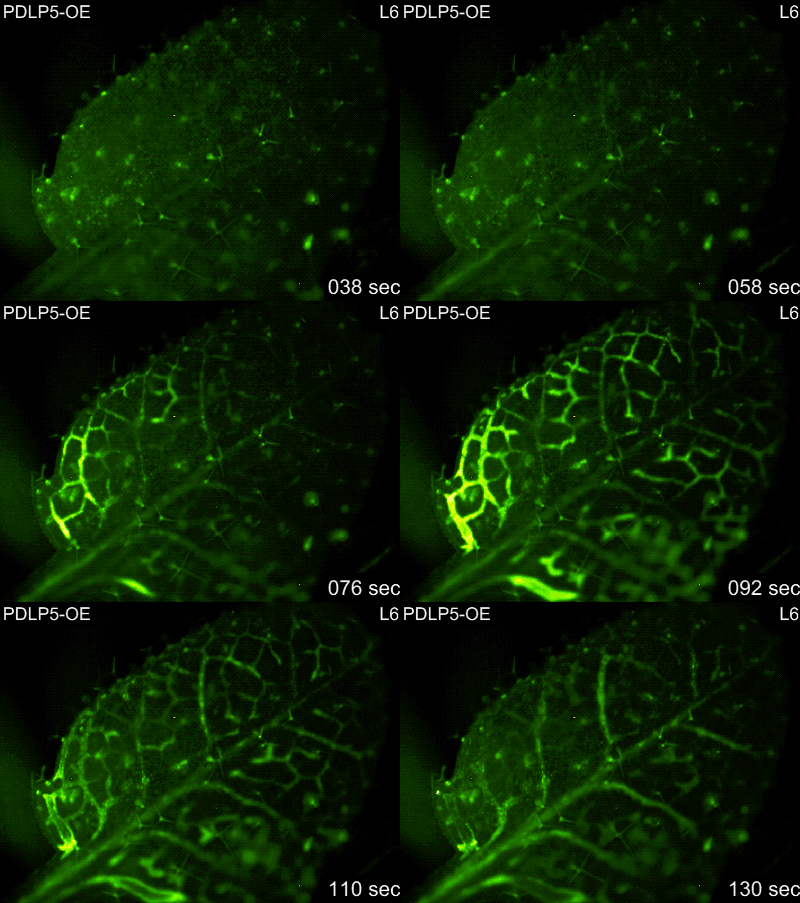
When Plants Sense Danger, They Cry Out With Calcium
After long suspecting a signaling system, scientists can now see how one leaf talks to another—in real time.

00:17:27
The High-Stakes, Hormone-Filled Showdown Of ‘Science Fair’
A new film about the International Science and Engineering Fair gives a look into the niche world of the grand championship of science fairs.

23:10
The Algorithms Around Us
They can influence so much more than what’s on your social media feed.
How Did A Computer Beat A Chess Grandmaster?
Some say Garry Kasparov was more than capable of defeating Deep Blue—but he underestimated the ability of the algorithm.
How To Be A Vibration Detective
By measuring the ground’s vibrations, you can learn a lot about what is happening both near and far away.

6:42
Change The Laws Of Physics? Probably Not
The observation of a seemingly faster-than-light emission from two merging neutron stars likely has a conventional explanation.
5:11
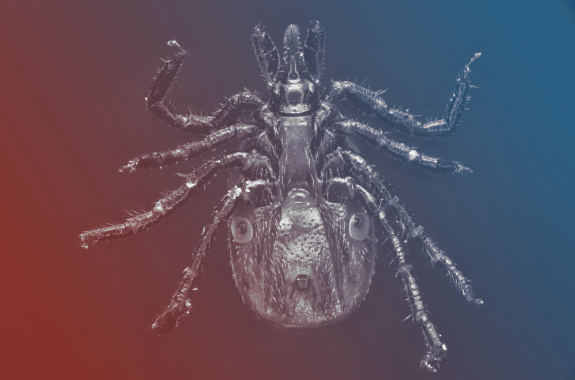
With Lyme On The Rise, N.H. Governor Asks EPA To Speed Approvals For New Tick Repellants
The N.H. governor wants federal regulators to speed up approval of new tick repellants that could help prevent Lyme disease in the state.
12:12
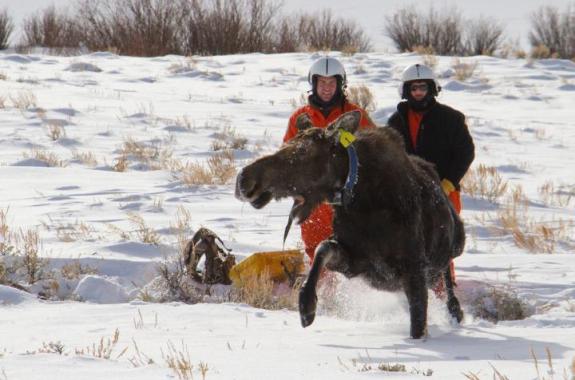
Pass It On: Sheep and Moose Teach Knowledge Of Migration Routes
When it comes to migration, it may come down to nurture over nature for some animals.

34:02
Work-Life Imbalance
New technologies mean we’re more connected to our jobs and coworkers than ever. Do we need boundaries? Plus, the downside of working for tips.
34:32
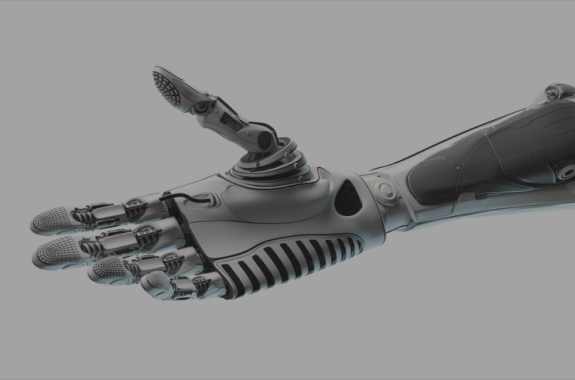
How Strong Is The Human-Robot Bond?
Why we want to protect some robots and destroy others.
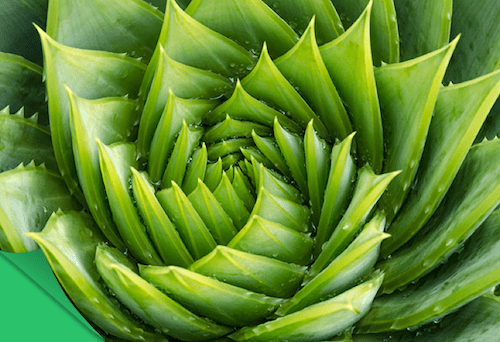
Fibonacci Sequence—A Handy Mathematical Approach For Looking At Evolution!
Get a grip on this great way of exploring the Fibonacci sequence using X-rays from organizations across the country!
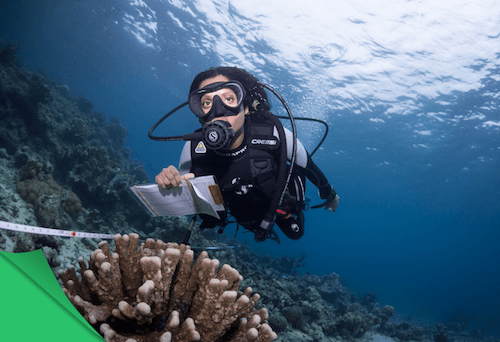
Survey Ecosystem Health On A Virtual Coral Reef
Coral reefs are an incredibly important part of Earth’s underwater world. How can you help one of earth’s most endangered ecosystems?