On Today's Podcast
Why are we changing the way we keep time?
Timekeeping scientists around the world voted to stop using leap seconds, but what does this mean for us?
Listen NowOctober 23, 2026
CRISPR pioneer Jennifer Doudna discusses the evolution of gene-editing technology and what it takes to be a good scientist. Timekeepers around the world voted to stop using leap seconds, but what does that mean for us? Plus, how "problem bears" help test engineers evaluate consumer products, author Kazuo Ishiguro on emotional truth in our age of AI, and the science of apple varieties.

12:19
Scientists Can Now Hear The Background Hum Of The Universe
Although scientists have theorized about this cosmic hum for years, they finally heard it by tracking pulses from spinning stars.

17:24
Scientists Think Cloning Could Help Save Endangered Species
The endangered Przewalski’s horse and black-footed ferret are the faces of cloning for conservation.
5:51
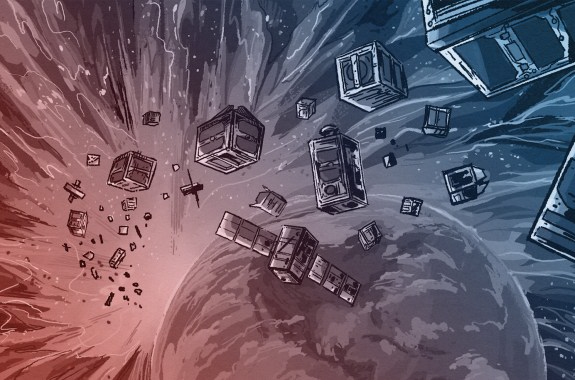
Twenty Years On, The Little CubeSat Is Bigger Than Ever
The tissue box-sized satellite made space research easier, and cheaper.

11:17
Remembering Engineer And Author Henry Petroski
The prolific and poetic author tackled everything from the safety of bridges to humanity’s follies.
33:52
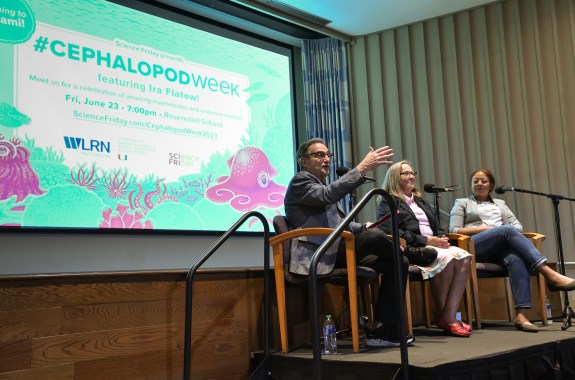
Celebrating The Weird, Wonderful World Of Cephalopods
Did you know most cephalopods can only live for a year? Or that they rely heavily on taste to sense their environment?

Why This Sound Artist Recorded Nature And Human Life For 40 Years
Jim Metzner, a pioneer of science radio, looks back on his lifetime of nature recordings, now heading for the Library of Congress.

12:15
A See-Through Squid Success Story
Researchers will be able to study neural structure in a genetically modified line of albino squid that are essentially see-through.
11:56
How Art Can Help Treat Dementia And Trauma
A new book investigates the relatively new field of neuroaesthetics, which researches the effects that artistic experiences have on the brain.
5:10
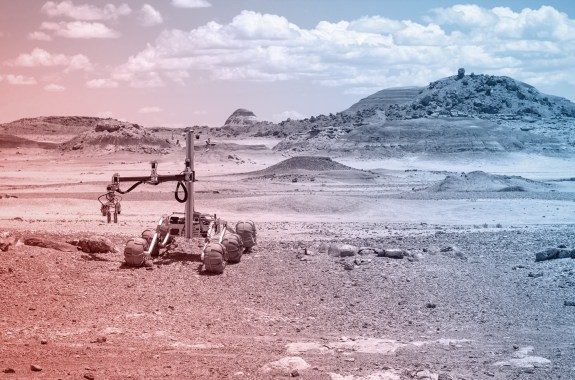
Testing Mars Rovers In Utah’s Red Desert
Student innovators compete in a rover-testing challenge at the Mars Desert Research Station in Utah.

12:05
When The Promise Of Social Media Becomes Perilous
New York Times journalist Max Fisher’s new book charts social media’s meteoric rise.

34:41
Remembering Roger Payne, Who Helped Save The Whales
Researcher Roger Payne died earlier this month, leaving behind a legacy of whalesong recordings that inspired global conservation efforts.
17:19
When Eye-Grabbing Results Just Don’t Pan Out
Is a drive to publish in prestigious scientific journals leading researchers to overstate their findings as the next big breakthrough?

Sign Up For Science Friday’s Newsletters!
From sneak peeks of the show to educational resources to events, stay up to speed with all things SciFri.

What Foods Do Wasps Love? What Foods Do Wasps Hate?
With careful observations while watching wasps, you can discover their favorite foods and use that to make your picnics more pleasant.
11:51
Why Have Ocean Temperatures Spiked?
Scientists still don’t know why global sea surface temperatures have risen so dramatically.

34:25
The Best Summer Books Of 2023, According To Two Science Writers
Two science writers weigh in on their favorite nonfiction and fiction books for the summer season.

11:58
Curly Hair Keeps Your Scalp Cooler
New research aims to better understand the role of hair texture in human evolution.

34:45
Unprecedented Avian Flu Outbreak Continues
In the midst of the worst outbreak in US history, here’s what you should know about avian flu.

What It Looks (And Smells) Like When Mushrooms Hunt Nematodes
Merlin Sheldrake introduces readers to how invisible fungal forces shape our world in unexpected and ecologically important ways.

Where The Fungi Grow: ‘Entangled Life’ Author Q&A
On July 18, join our event with the author of ‘Entangled Life’ for a contemplative afternoon on the mushrooms we should make room for.