On Today's Podcast
Promising new treatments for pancreatic cancer and ALS
A new pancreatic cancer drug doubles survival times. And a new treatment for a rare form of ALS slows and improves some patients' symptoms.
Listen NowJune 26, 2026
The chlorine in swimming pools reacts with our urine and sweat, producing volatile chemicals that are potentially harmful to breathe. A new pancreatic cancer drug doubles survival times. Plus, as NASA prepares for long-term moon bases, scientists are working on how to grow food in lunar soil and deal with razor-sharp moon dust. And, how different types of laughter originate in the brain.

How Do Infections Spread In Plants?
Students model the interaction of biotic and abiotic factors in a plant disease system, then use their data to inform recommendations to farmers to limit disease transmission.

6:55
Running Out Of Time—And Water—In Cape Town
Plus, California’s coffee lawsuit, a satellite lost and found, and an orca whale says “hello.”
4:45
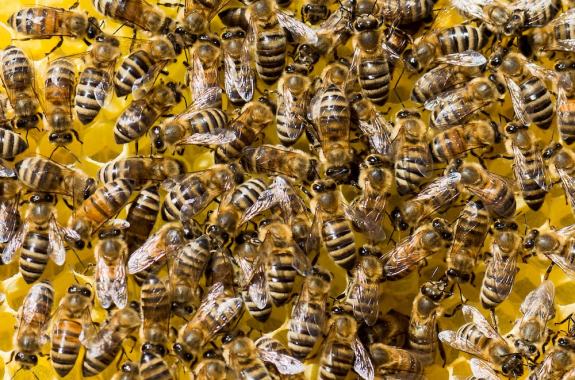
Looking Beyond Honeybees
We need domestic bees. But what happens to wild bees when they share a space?

10:46
‘Please Call Me Back. It’s About “Frankenstein.”’
The Science Friday Book Club receives a call for help. Plus, how Frankenstein is still relevant to today’s high school students.
12:11
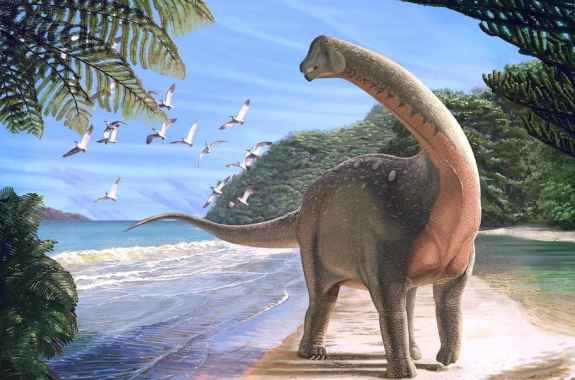
Unearthing The Last Days of Dinosaurs In Africa
The fossil remains of a titanosaur found in Egypt provides clues to the evolution of dinosaurs in Africa.
17:38
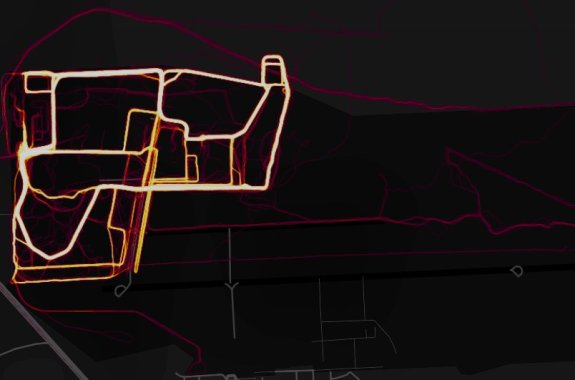
From Strava to Facebook to Venmo, You May Be Leaking Data
Your online activities may be showing the world more than you think about your personal life.
7:02
Huntington’s Disease Makes Its Mark Early On
New research shows that decades before outward signs of the neurological illness show, Huntington’s disease will affect the development of an embryo.
9:41
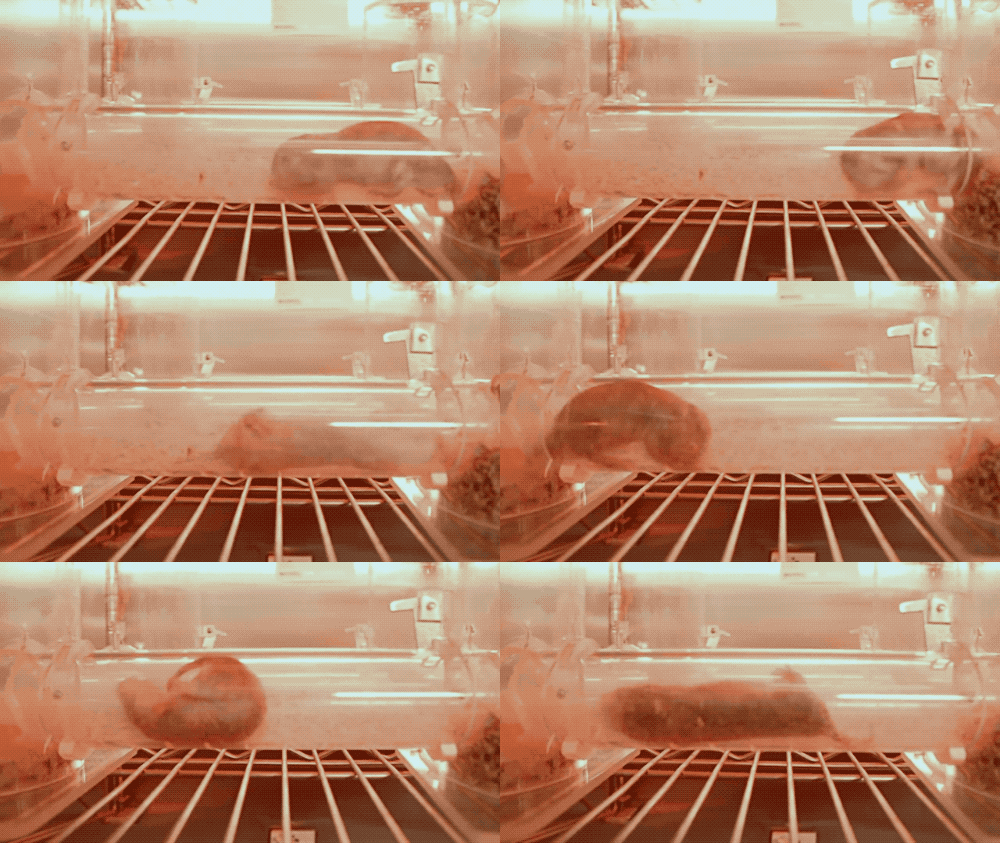
The Naked Mole Rat Defies The Laws Of Aging
These rodents not only live for thirty years or more, but “age” could be meaningless to them.

24:16
How China Is Reinventing Its Energy Economy
China’s thirst for energy is rising. But to save its cities from suffocating pollution, leaders are looking to carbon-free energy sources and electric vehicles.

Science Facts: GMOs
Use these facts when talking with friends and family who don’t believe GMOs can be safe.

What You Said: Was Dr. Victor Frankenstein A Good Scientist?
And what makes a “good” scientist, anyway? SciFri listeners weigh in.
Uber, But For Scientists
The gig economy isn’t just for graphic designers and Uber drivers. Some scientists are forsaking academia—and not always by choice.

Science Friday Presents: Frankenfest!
Science Friday celebrates the 200th anniversary of Mary Shelley’s classic live in New York City.
7:08
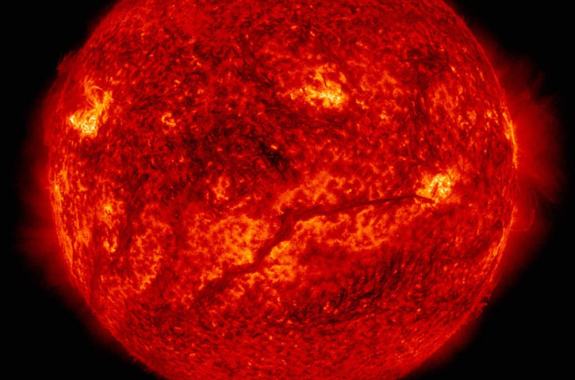
NASA Gets Its Moment In The Sun (Finally)
A new NASA heat shield makes a mission to the sun’s atmosphere possible.
5:09
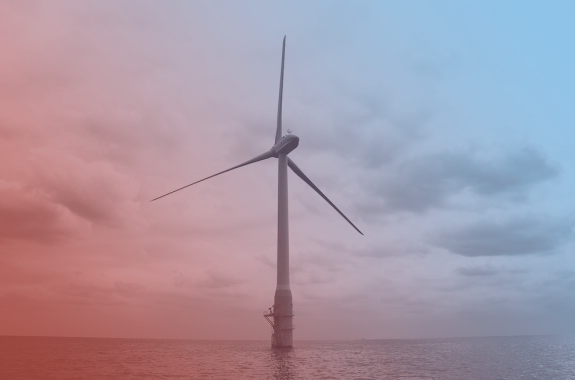
Is Offshore Wind ‘Picking Up Steam’ On Lake Erie?
For years, its been a slow process building wind turbines in the Great Lakes. Now, a new initiative is picking up speed.
11:31
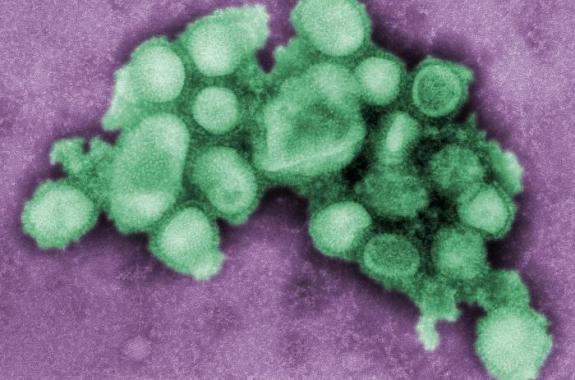
Flu’s Fatal Side Effect: Heart Attacks
Flu infection boosts the risk of heart attack six fold. An infectious disease physician explains why—and how to protect yourself.

11:52
Is Music A Shared Language?
Researchers tested if listeners could identify lullabies, dance, love, and healing songs from different cultures.
23:52
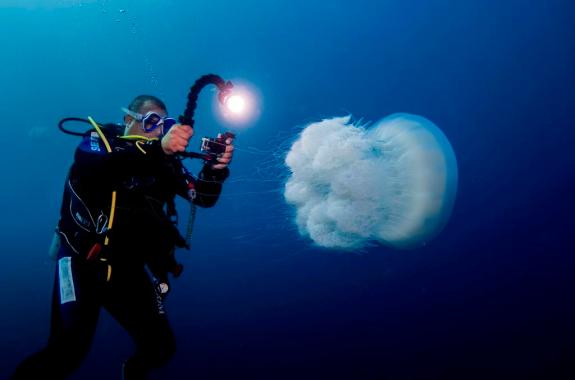
Jellyfish, The Misunderstood Genius Of The Sea
The untold story of jellyfish is one of perception versus reality.
9:58
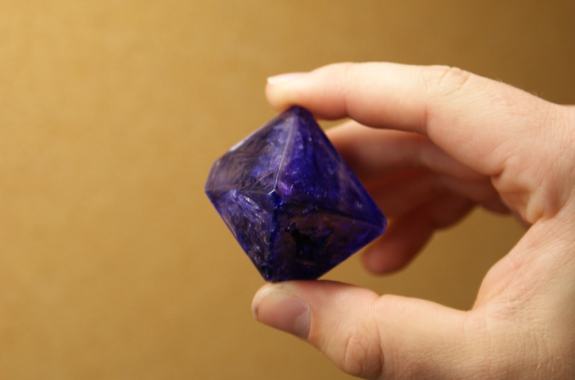
How To Grow Your Own Crystals
At the United States Crystal Growing Competition, chemistry gleams and sparkles.
22:14
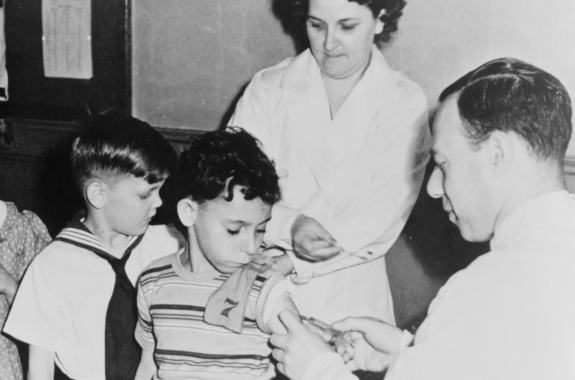
Boosting Vaccination Rates, One Conversation At A Time
What we’re learning about how to convince people that vaccines are safe and necessary.