On Today's Podcast
Isabella Rossellini on how acting connects to animal cognition
Should we anthropomorphize animals or not? An actor and an ecologist share what they’ve learned about animal cognition.
Listen NowOctober 23, 2026
CRISPR pioneer Jennifer Doudna discusses the evolution of gene-editing technology and what it takes to be a good scientist. Timekeepers around the world voted to stop using leap seconds, but what does that mean for us? Plus, how "problem bears" help test engineers evaluate consumer products, author Kazuo Ishiguro on emotional truth in our age of AI, and the science of apple varieties.
29:55
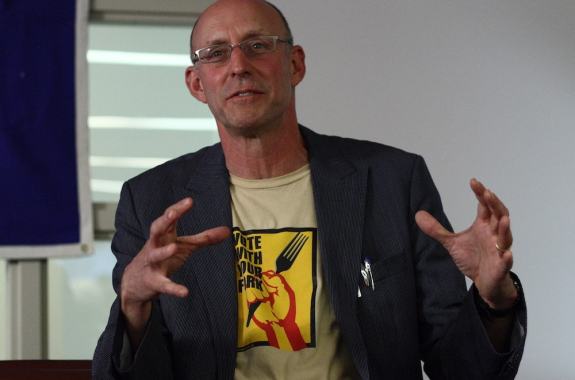
Consciousness, Chemically-Altered
In his new book, “How to Change Your Mind,” Michael Pollan writes about a new revolution in the scientific study of psychedelic drugs.
00:07:28
The Mysteries Of Memory, A New Blue Dot, And A Robotic Fly
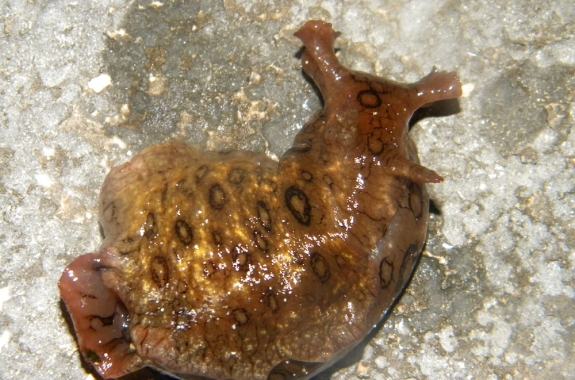
A surprising study suggesting that RNA could play a role in a snail’s memory leads this week’s news roundup.

4:33
City Cyclists Crowdsource The Safest Path
A Pittsburgh cyclist designed a navigation app to help other bikers find the safest roads to travel.
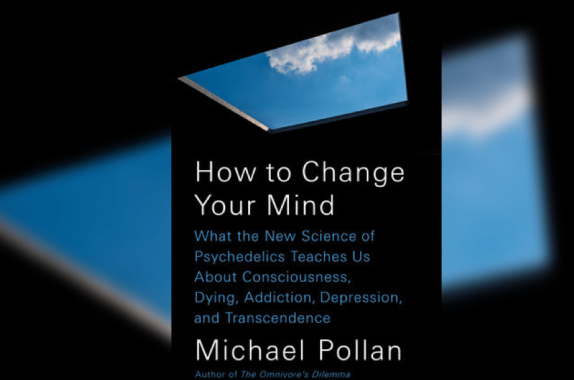
Michael Pollan On The “Psychedelic Renaissance”
The story of how psychedelics are being used to treat depression, addiction, and even fear of death.
28:52
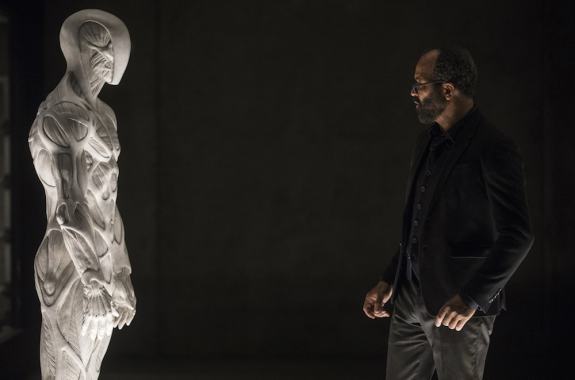
Consciousness At The Center Of ‘Westworld’s’ Maze
We’re a long way from human-mimicking AI. But can artificial intelligence ever truly achieve human levels of consciousness?
17:24
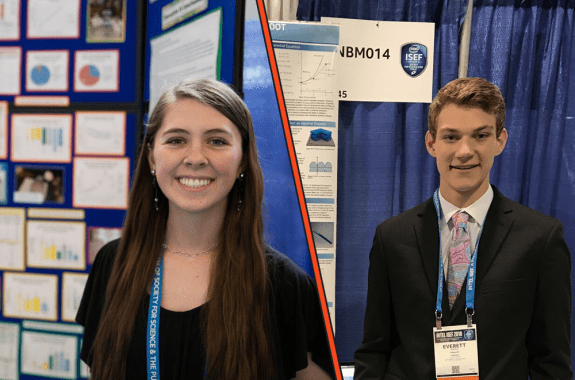
Student Scientists Tackle Real World Questions
A 3D-printed prosthetic foot and the feasibility of using mealworms to recycle plastics were some of the projects presented at the finals of the Intel International Science and Engineering Fair.
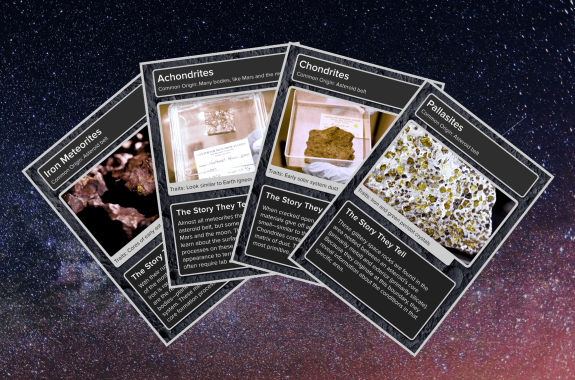
Get To Know These Meteorites
Learn about stories of the early solar system with these handy meteorite trading cards.
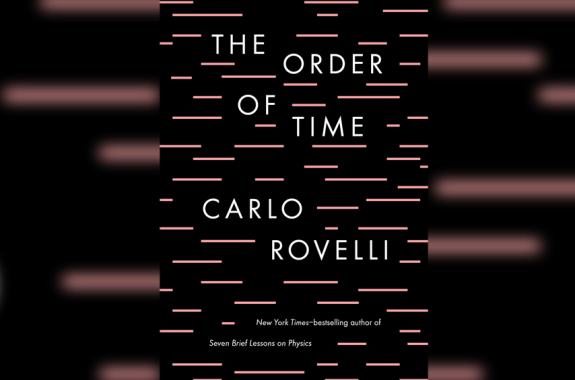
The Mystery Of The Flow Of Time
Time and time again, we wrestle with what time actually is. Theoretical physicist Carlo Rovelli takes us a step closer.
6:42
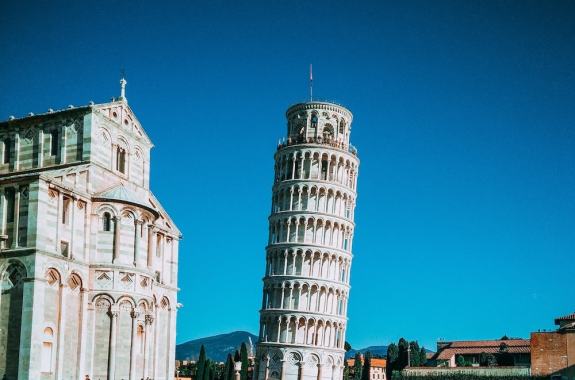
A Leaning Tower, A Jumping Spider, And Missing Plutonium
Researchers are looking for new insights into why the Leaning Tower of Pisa has managed to stay upright over the centuries.

5:23
Calling For Action On Florida’s Rising Seas
Three south Florida newspapers are banding together for a stronger conversation about the invading ocean, how to adapt, and who pays for it.
17:13
These Bacteria Can Help Fight Antibiotic Resistance
Soil bacteria that munch on penicillin offer a way to clean up areas contaminated with overused antibiotics.
16:18
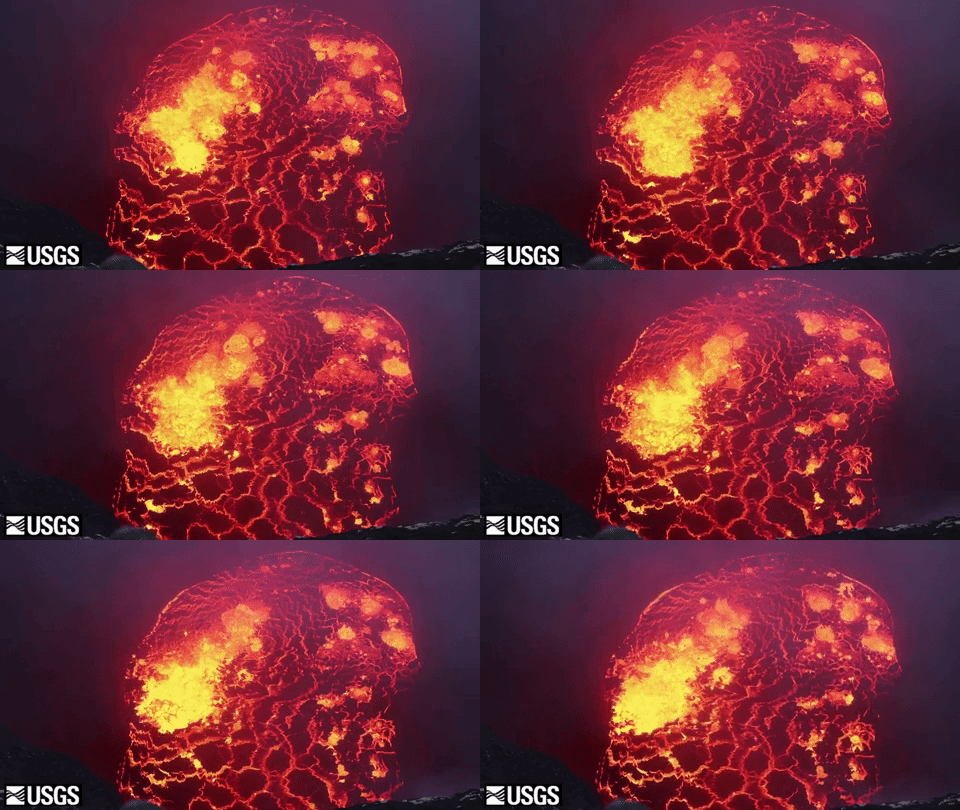
The Science Behind Kilauea’s 30-Year Eruption
Hawaii’s Kilauea volcano has been erupting for 30 years and recently began spewing magma through 15 fissures.
11:36
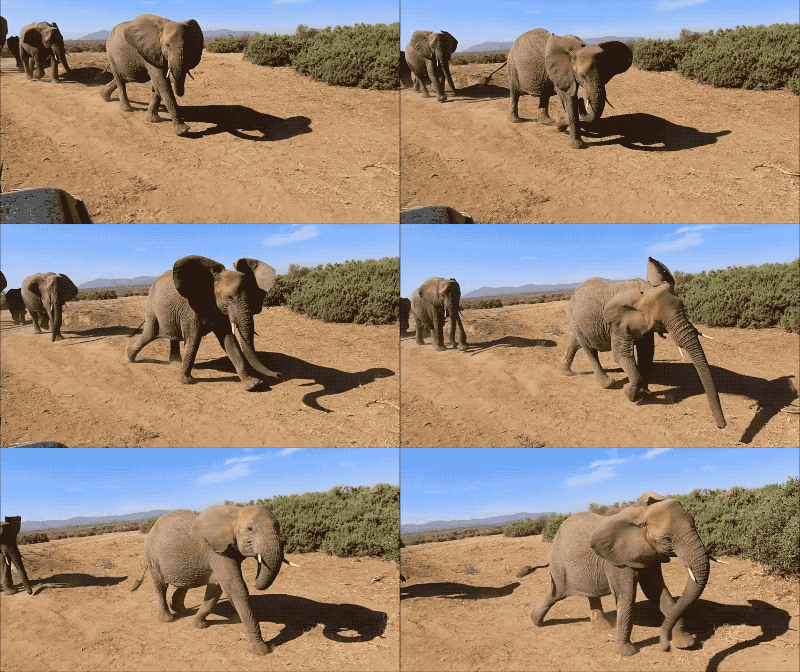
A Stomp, A Roar, An Elephantquake?
Elephants’ movements and vocalizations can travel through the ground—and scientists look to what earthquake-detection technology might teach us.
10:18
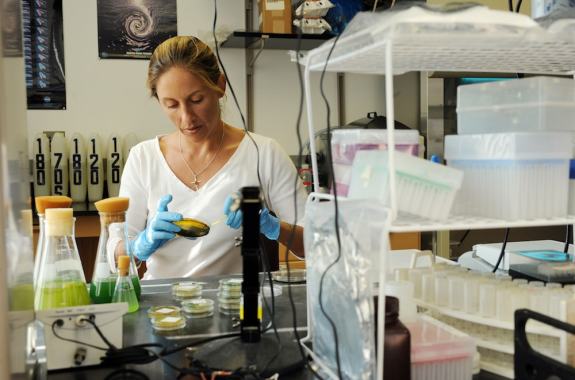
Produce Safety Tests Could Use A Refresh
Many farms still test the safety of their produce by plating irrigation water and seeing what grows—an up to 48-hour process. Molecular biologist Rachel Noble says a DNA test could quicken the process.
22:54
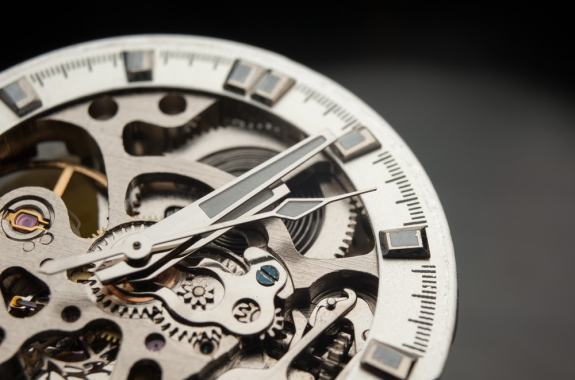
A Case For Why Time May Just Not Exist
For the quantum theory of gravity to work, physicist Carlo Rovelli says our ideas about time have to change.
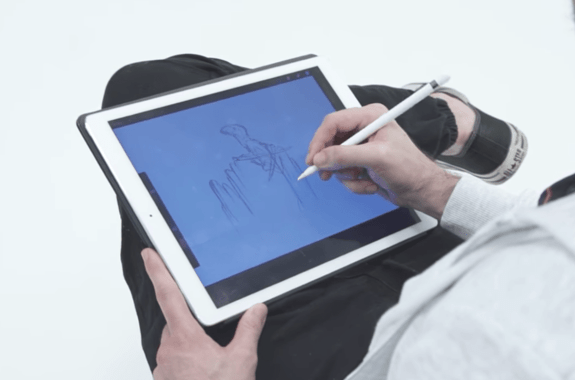
How To Draw Dinos For A Living
According to dinosaur drawer Gabriel Ugueto, it’s a great time to be a paleoartist.
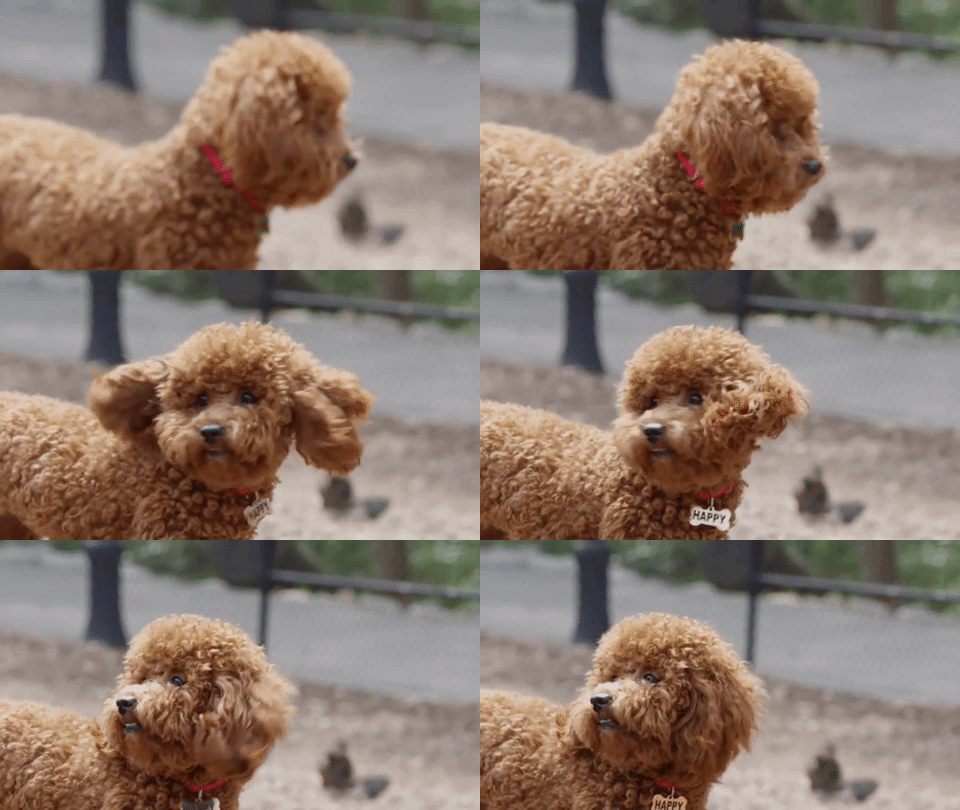
Seven Questions About How Your Dog’s Brain Works
You asked your canine cognition curiosities and a neuroscientist answered.
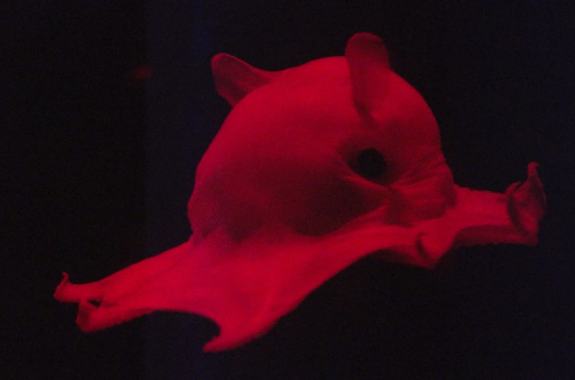
Cephalomania Sweeps The Nation!
On June 18 to 21, Cephalopod Movie Night is coming to a city near you!
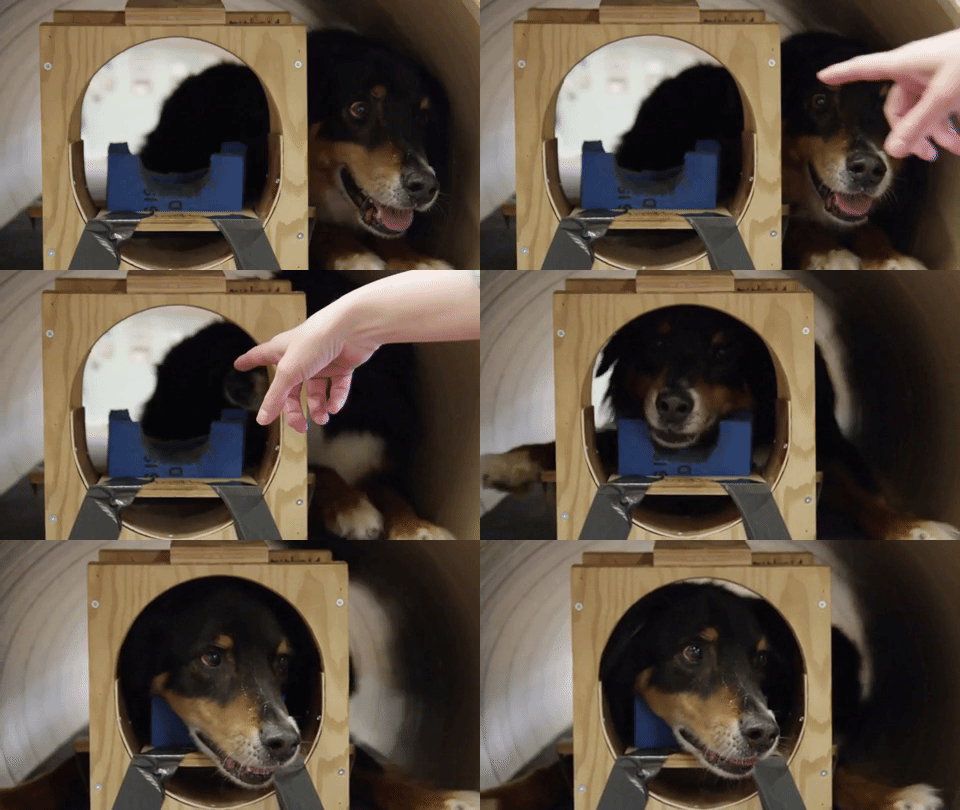
Reading A Dog’s Mind
How can you get a glimpse into a dog’s mind? Start with an MRI machine.
6:43
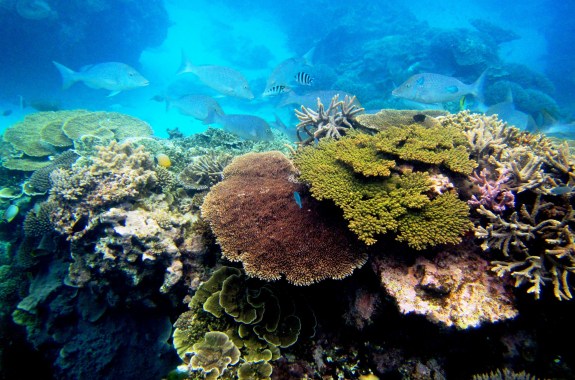
The Reef Is Quiet. Too Quiet.
Researchers monitoring the soundscape of a coral reef have found a dramatic drop in the sounds of wildlife under the sea.