On Today's Podcast
Why are we changing the way we keep time?
Timekeeping scientists around the world voted to stop using leap seconds, but what does this mean for us?
Listen NowOctober 23, 2026
CRISPR pioneer Jennifer Doudna discusses the evolution of gene-editing technology and what it takes to be a good scientist. Timekeepers around the world voted to stop using leap seconds, but what does that mean for us? Plus, how "problem bears" help test engineers evaluate consumer products, author Kazuo Ishiguro on emotional truth in our age of AI, and the science of apple varieties.

11:56
A Second HIV-Positive Patient May Have Been Cured. Now What?
Why gene therapy—not bone marrow transplants—could be one piece in the puzzle of neutralizing HIV worldwide.

6:10
Trying To Determine Forest Health? Look To The Lichens
The types of lichens living in a patch of forest may be a better indicator of ecological health than the trees themselves.

16:58
The Leg Bone’s Connected To The Ankle Bone—But Why?
The story of how our skeletons evolved to look they way they do.

16:24
How Jumping Spiders Avoid Becoming A Tasty Snack
From bright colors to disguising as ants, jumping spiders have evolved different ways to evade predators.

27:28
NASA: To The Moon (And Definitely Beyond)
NASA administrator Jim Bridenstine talks about the agency’s ambitions beyond Planet Earth.

The Secrets Of The Extraordinary Human Skeleton
From shoulders to skulls, learn how our bones made humans unique in this excerpt from “Skeleton Keys” by Riley Black.

The Origin Of The Word ‘Humor’
From pseudoscience to Shakespeare, it’s no laughing matter.

7:01
Blue Skies Forever? It’s Not As Cheery As It Sounds
Extreme conditions during climate change could cause the disappearance of stratocumulus clouds—for good.
5:10
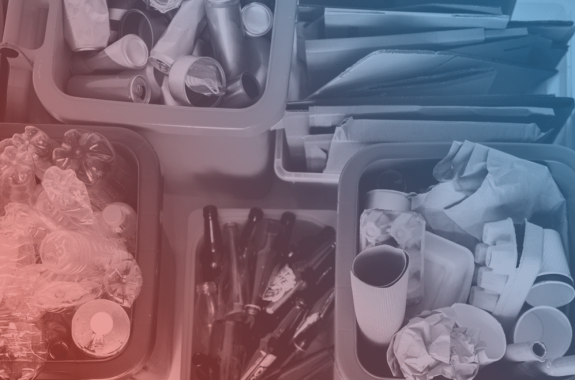
Rethinking Recycling In Philadelphia Suburbs
China won’t take our subpar plastics anymore. What’s next for your local recycling plant?

8:54
White House Aims To Counter Climate Science
As the nation’s scientists and military leaders sound the alarm on climate change, the White House is assembling a group of climate change skeptics to counter them.

12:06
Blood As White As Snow
How do you breathe with no red blood cells? Scientists take a closer look at genomes to find the secrets of the strange Antarctic icefish.

26:08
The Disastrous Days Of April 1986
A new book tells the story of the engineering missteps and operational errors that led to the nuclear disaster at Chernobyl.

7:49
Wireless Monitoring Gives Parents Greater Access To Newborns In The NICU
Free from wires, parents can experience more skin to skin contact with their babies thanks to a new wireless monitoring device.

25:58
Rewriting The Genomic Alphabet
Scientists are creating unnatural base pairs and synthesizing genomes to better understand DNA—and create new medicines and fuels.

The Moments After Chernobyl Blew
First responders arrive at the crippled nuclear power station in this excerpt from ‘Midnight in Chernobyl’ by Adam Higginbotham.

A Night Of Volcanoes And Earthquakes With N.K. Jemisin
Learn how N.K. Jemisin used volcanology and seismology to write ‘The Fifth Season.’

6:46
A Tantalum Bullet For Asteroid Research
Japan’s Hayabusa2 spacecraft will use a bullet to collect samples from an asteroid and return them to Earth.

4:57
California And The Federal Government Clash Over Environmental Rules (Again)
Trump Administration officials have pulled out of talks with California over fuel economy standards for cars.

7:45
Why Do Grapes Spark In The Microwave?
The answer involves hotspots, ions, electrons, and plasma. Yes, plasma.

8:58
Clearing Up The ‘Art Acne’ On Georgia O’Keeffe’s Paintings
Scientists are working to clean up small dimples on Georgia O’Keeffe’s paintings caused by the aging of pigments.