On Today's Podcast
Isabella Rossellini on how acting connects to animal cognition
Should we anthropomorphize animals or not? An actor and an ecologist share what they’ve learned about animal cognition.
Listen NowOctober 23, 2026
CRISPR pioneer Jennifer Doudna discusses the evolution of gene-editing technology and what it takes to be a good scientist. Timekeepers around the world voted to stop using leap seconds, but what does that mean for us? Plus, how "problem bears" help test engineers evaluate consumer products, author Kazuo Ishiguro on emotional truth in our age of AI, and the science of apple varieties.
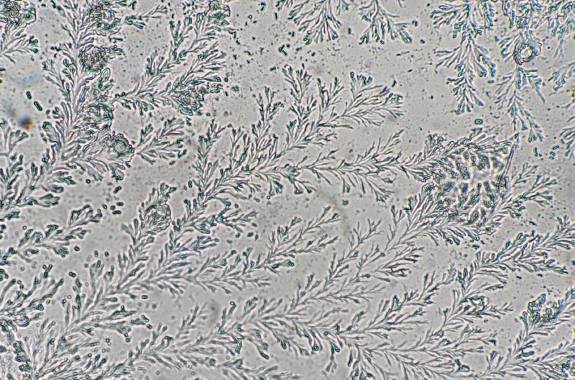
Your Cervical Mucus Is Beautiful
The protective substance is an important barrier between the body and the environment. Here’s how researchers are using it to understand health.
7:15
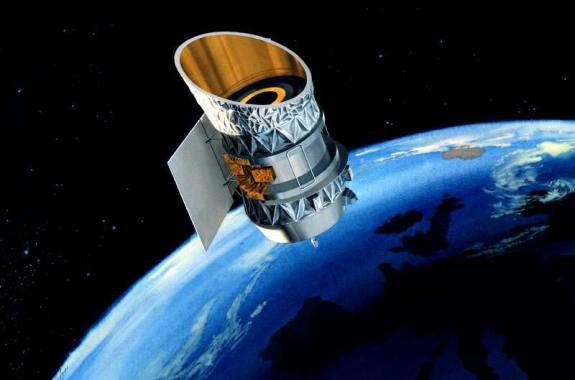
A Close Call Collision In Near-Earth Orbit
Plus news about crab heath, graphene, and more in this week’s News Roundup.
4:50
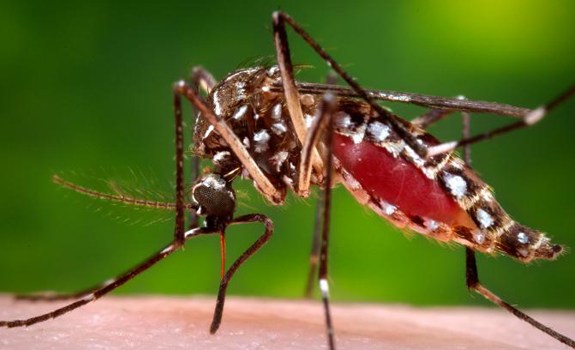
When A Correction May Not Be Helpful
Messages meant to counter misconceptions about the Zika virus may have decreased trust in correct information as well.
17:04
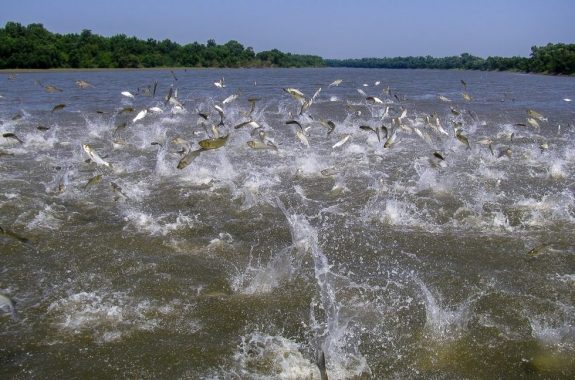
Putting Invasive Species On Trial
How can ecologists predict invasions in advance—and make the most of things when they do happen?
28:49
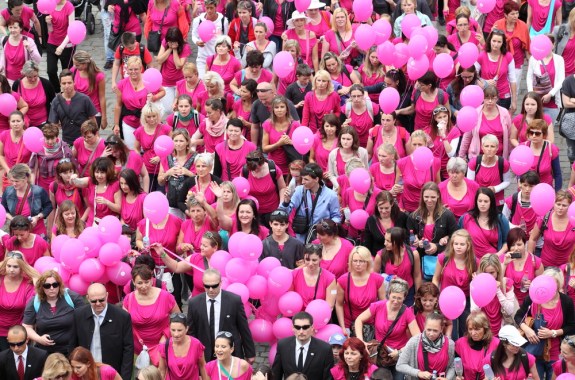
‘Radical’ Explores The Hidden History Of Breast Cancer
Did you know the ubiquitous pink ribbons were almost peach-colored? Or that the DOD has spent three billion dollars on breast cancer research?
16:49
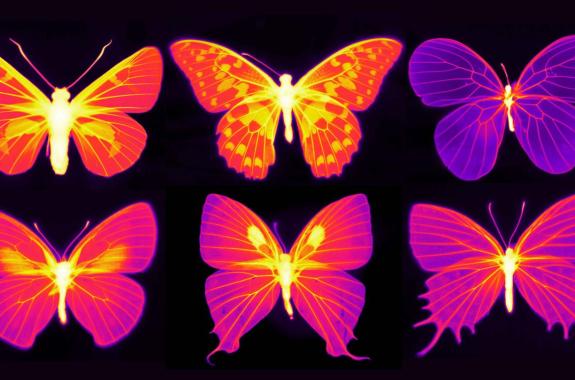
With Butterfly Wings, There’s More Than Meets The Eye
New research suggests living cells on the butterfly wing help it regulate temperature.
17:15
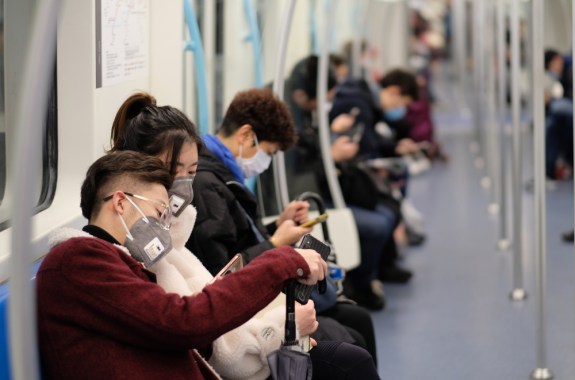
How To Track And Stop The Spread Of The Coronavirus Outbreak
Nearly 10,000 cases have been confirmed worldwide, as of January 31. Experts consider measures that could be put in place to halt the spread of the pathogen.
Wandering The Woods For A Breast Cancer Treatment
The quest to find a treatment for breast cancer in the 1960s resulted in a botanist searching for a solution in the woods of the Pacific Northwest.
SciFri Extra: Revisiting Unique Science Stories of 2019
Listen to three science storytellers talk about a notable story they reported in 2019, including untold and surprising facts.
7:16
Coaxing Nerves To Repair Breaks
Plus the evolution of culture, the mental effects of smartphones, and the sound of a mummy’s vocal tract.
4:33
Can’t See The River For The Trees
Increased forestation can lead to dramatic declines in river water flow.
16:43
A Drop To Drink
Millions of people rely on the Great Lakes for clean drinking water. What happens when water access is threatened?
12:02
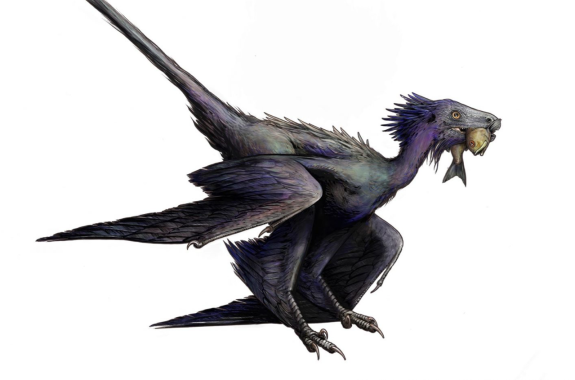
Meet the ‘Dancing Dragon’—A Fierce Winged Dinosaur
The house cat-sized dino had well-developed wings, but not necessarily for flying.
17:18
Drug Researchers Refuse To Follow The Law. The Government Isn’t Stopping Them.
Almost a third of registered drug studies are not reporting data to the government.

16:31
Using Chemistry To Get The Perfect Cup Of Coffee
How understanding water flow, particle size distribution, and water chemistry can help you brew the perfect cup of coffee.
17:05
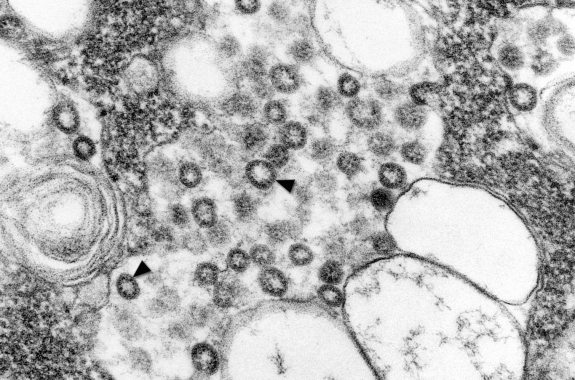
New Virus Paralyzes Chinese Cities
Officials in China have quarantined two large cities, where some 20 million people live, over fears of a novel virus outbreak.

What You Said: Your Favorite Memories Of The Great Lakes
From loons to canoes to migrating wildlife, the Great Lakes have it all.
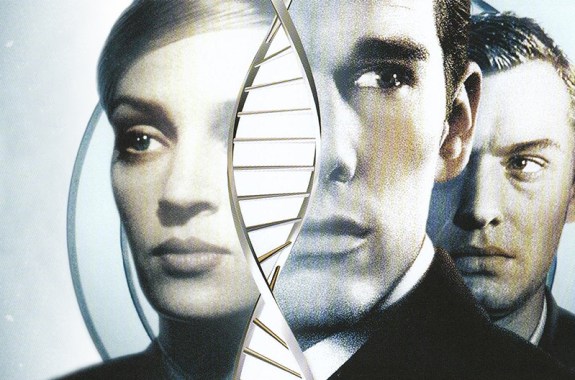
Science Goes To The Movies: ‘Gattaca’ In Princeton, NJ
On Thursday, March 19, join us at the Princeton Garden Theatre as we screen ‘Gattaca.’ Plus, a live conversation with local experts.
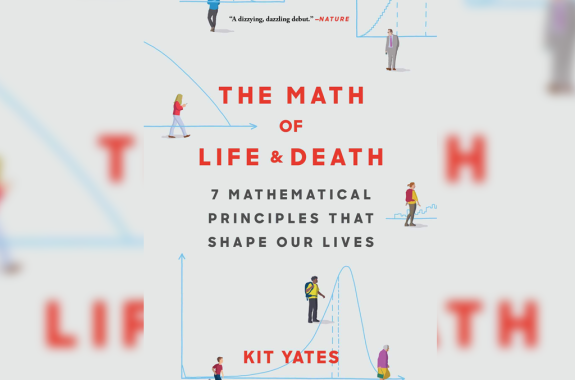
The Messy Math Of Mammograms
Math biologist Kit Yates breaks down the numbers behind breast cancer screenings—and the serious implications of false positive and negative results.

7:49
Our Bodies Are Cooling Down
98.6 F is no longer the average healthy body temperature. Is improving health the culprit?